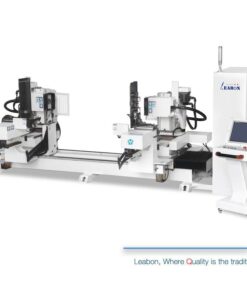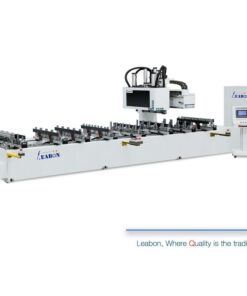


45° Dovetail Tenon Machine features:
1.The concave-convex dovetail shape of the dovetail connecting rod is adopted, so that the two planks are connected together by dovetail tenons to form a straight line 2.The mechanical structure adopts the newly developed double-rail distance suspension type, the transmission is clear and accurate, the precision is high, and the service life is long- Save labor and improve efficiency


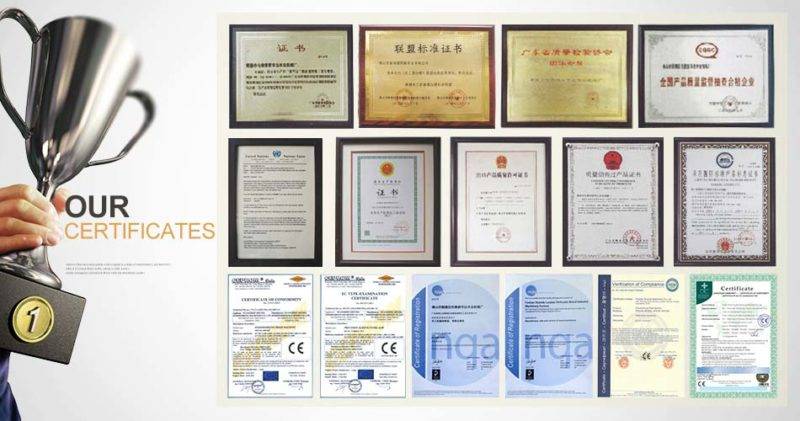
OUR CERTIFICATE
How a Mortise and Tenon Machine Works
A mortise and tenon machine cuts the interlocking joint used in chairs, tables and frames: one station chisels the mortise (hole) while another forms the tenon (tongue) on the rail end, so parts assemble square and strong without metal fixings.
45° Dovetail Tenon Machine Dovetail grooving machines play an important role in furniture production. The mass production of furniture drawers and beehives is inseparable from dovetail machines.
Frequently Asked Questions
- Q: What is a mortise and tenon machine used for?
- A: It cuts mortise-and-tenon joints for chairs, tables, doors and frames — the classic strong wood joint.
- Q: Does one machine cut both mortise and tenon?
- A: Combined machines cut both in one setup; some shops use a dedicated tenoner and a mortiser.
- Q: What wood sizes can it joint?
- A: Rail and leg sections up to the machine’s capacity; confirm max tenon length and mortise depth on the spec sheet.
- Q: How accurate are the joints?
- A: Fixed jigs and stops hold the joint square and repeatable, so assembled frames stay true.
- Q: Is it faster than hand cutting?
- A: Far faster and more consistent — dozens of joints per hour versus hand work.
- Q: Is training included?
- A: Yes — setup guidance, operation training and spare-part support are provided.
Browse more Mortise and Tenon Machine range, or contact Leabon for a confirmed quotation.