One Machine, Full Panel Production
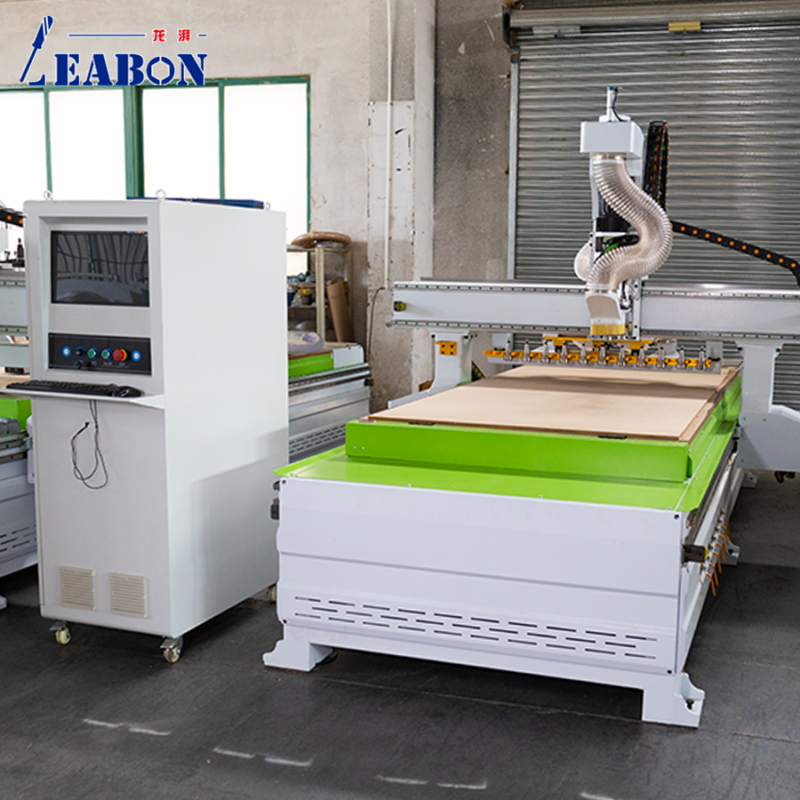
How a CNC Nesting Machine Works
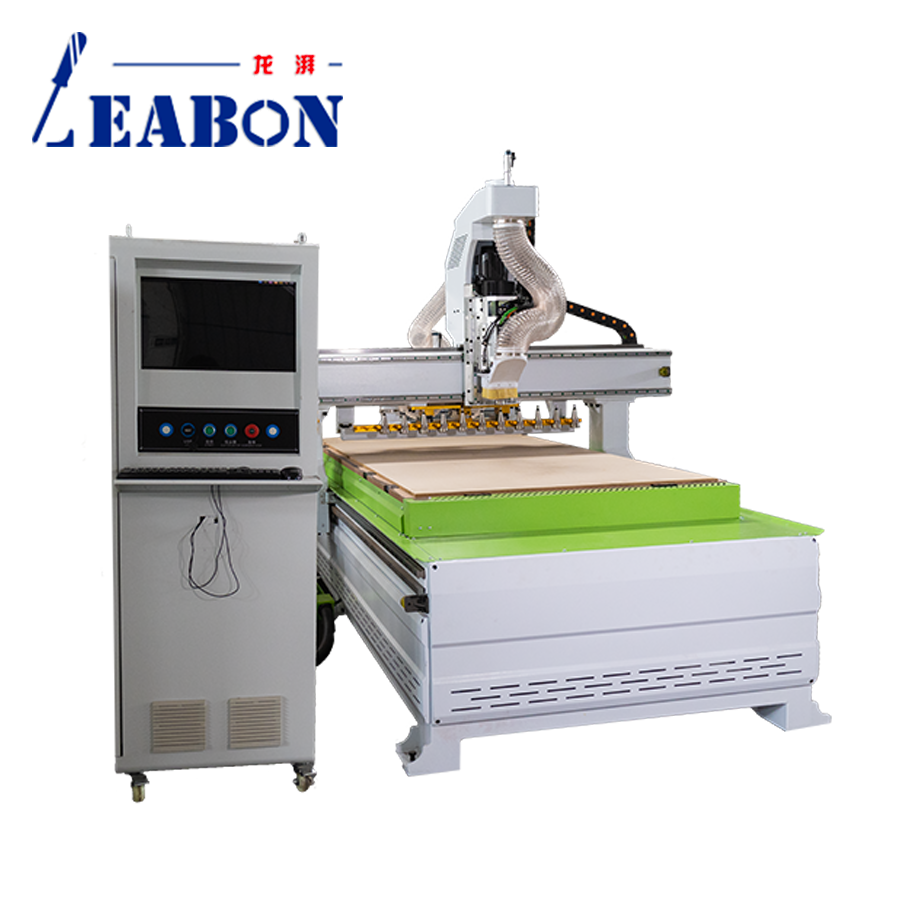
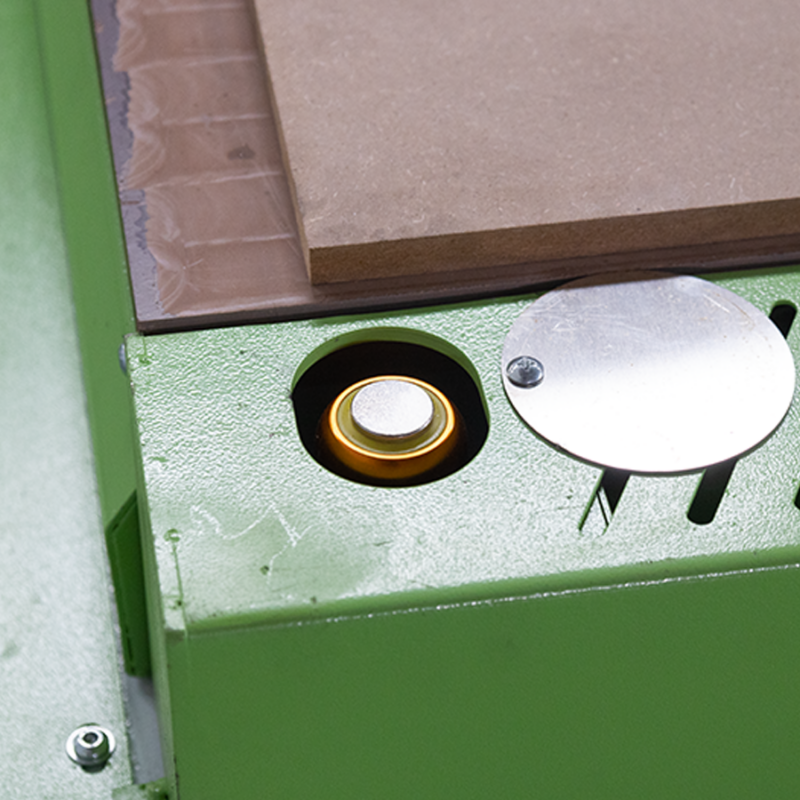
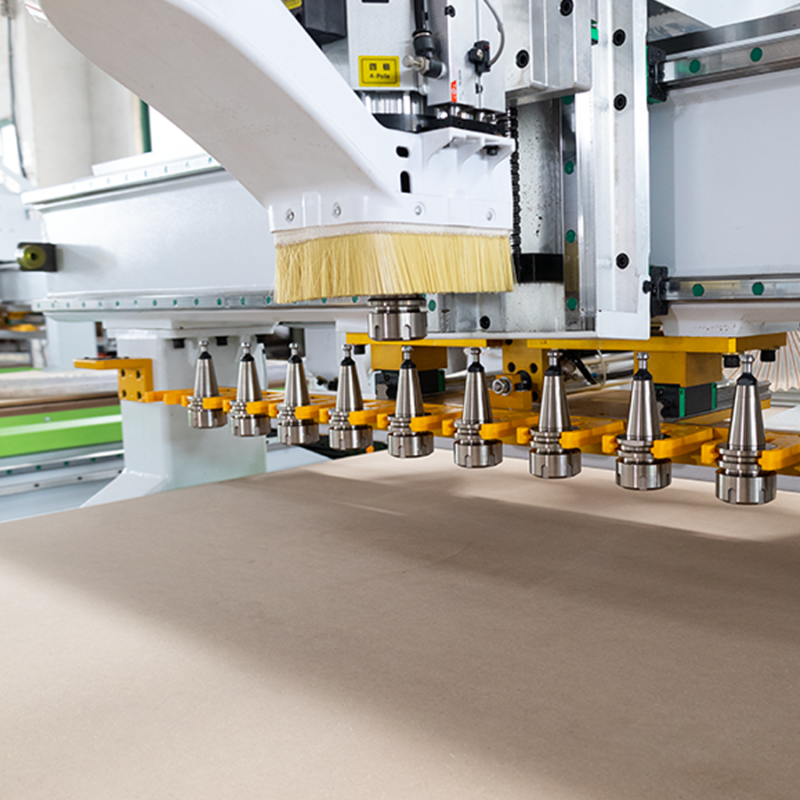
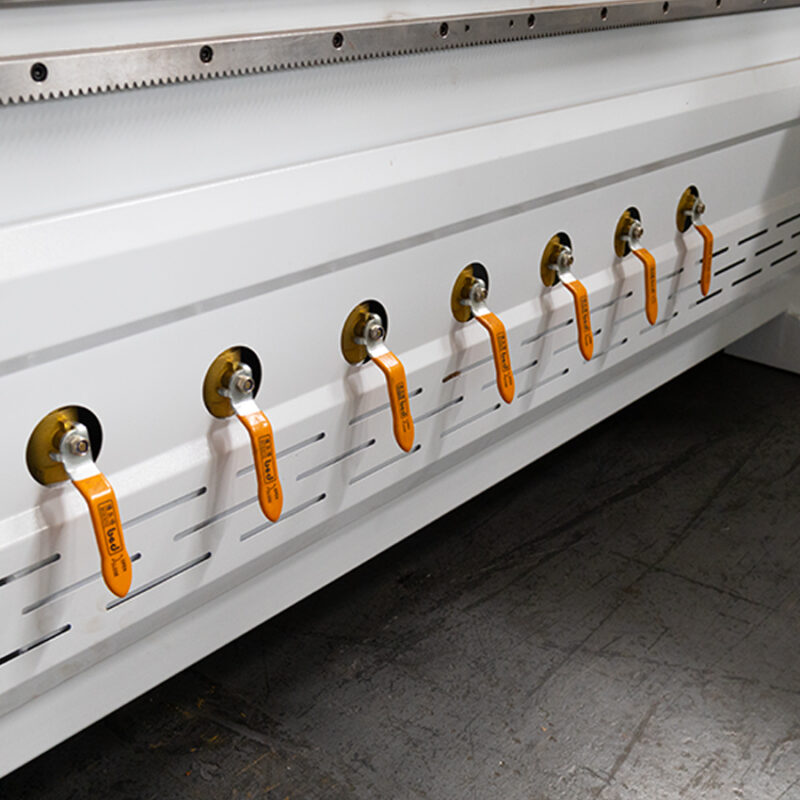
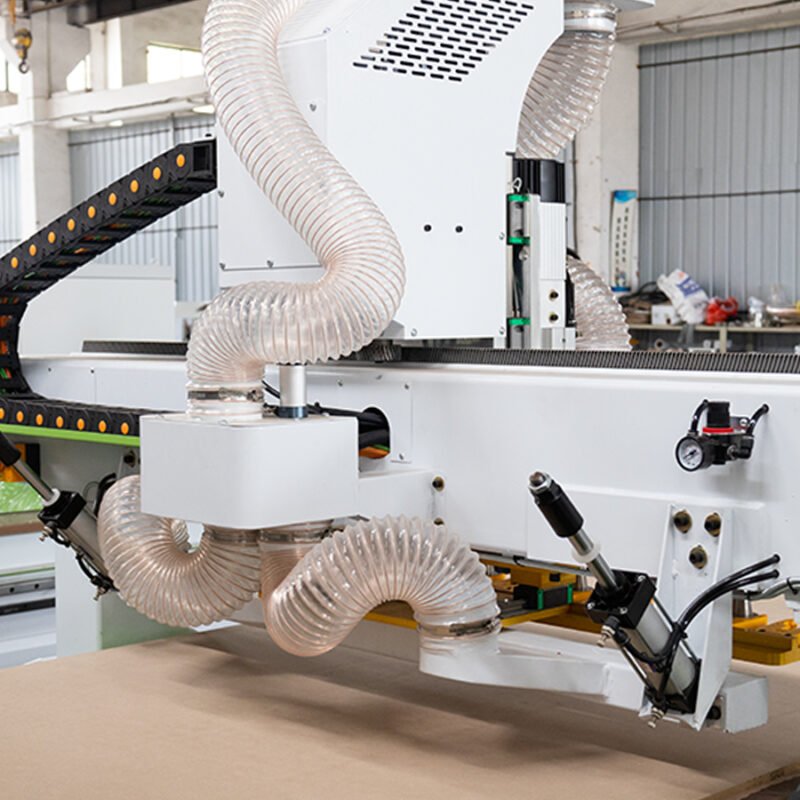
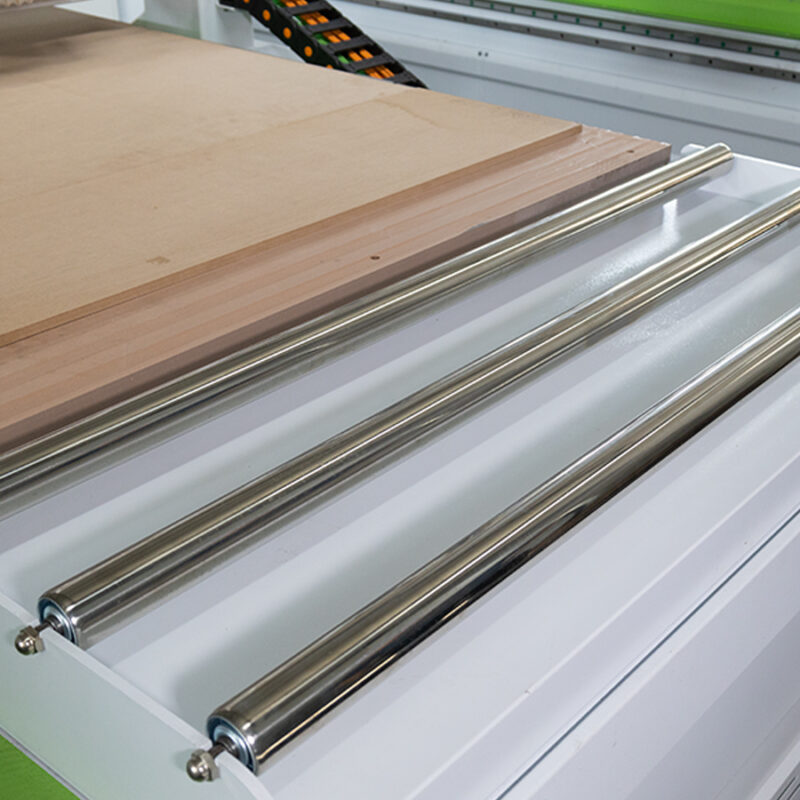
A CNC nesting machine produces finished part sizes straight from full-size panels. Nesting software arranges every part of a job inside one board, then the machine routes, grooves and drills them in a single cycle — the vacuum table holds the sheet flat while an automatic tool changer swaps cutters without stopping. Parts come off the table clean-edged and ready for edge banding and assembly, which is why nesting is the standard method for batch cabinet and panel furniture production.
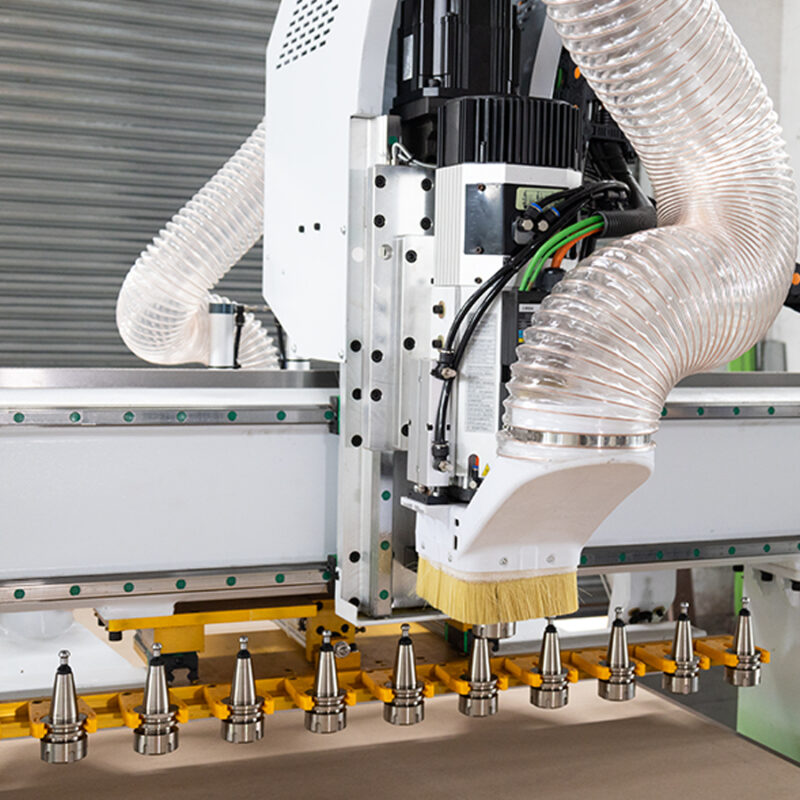
The ATC CNC nesting machine features an automatic tool changer for seamless multi-process cutting, drilling, and routing — boosting panel furniture production speed and precision.
Frequently Asked Questions
- Q: What is a CNC nesting machine used for?
- A: It produces cabinet and furniture parts directly from full-size panels — MDF, plywood, particle board and melamine-faced boards. Nested-based programming fits every part of a job inside one sheet, so routing, grooving and drilling are completed in one cycle and the parts leave the table ready for edge banding and assembly.
- Q: What does the automatic tool changer do?
- A: Instead of the operator stopping to swap bits by hand, the spindle picks the required cutter from the magazine automatically, so cutting, grooving and drilling run back to back and most of the downtime between operations disappears. Leabon’s nesting machines use an air-cooled automatic tool-changing spindle — for example a 9 kW unit with ceramic bearings for wear resistance and high concentricity.
- Q: Which materials and panel sizes can it process?
- A: MDF, plywood, particle board and melamine-faced panels are all standard, along with solid-wood and composite blanks. Working area, axis stroke and maximum panel thickness depend on the model — send us the largest panel you need to cut and we will confirm the right configuration.
- Q: How accurate are the finished parts?
- A: High-precision square linear guides and servo-driven axes keep tolerances tight, while the vacuum table holds the sheet flat for the whole cycle. Clean edges and accurate holes mean less sanding and fewer rejects downstream, so cabinet parts fit together the first time.
- Q: What is the difference between a CNC nesting machine and a CNC router?
- A: A nesting machine is built for flat-panel production: it optimises parts inside whole sheets, holds them with a vacuum table and normally carries an automatic tool changer for high-volume cabinet work. A CNC router is a more general machine for profiling, carving and 3D work, where the output is usually a single shaped piece rather than a sheet of nested parts.
- Q: How many operators does it need?
- A: One operator can load a sheet and then run far more panels per shift than a manual cutting setup. Combined with the automatic tool changer and vacuum hold-down, this cuts the downtime between operations and reduces dependence on skilled labour — the main reason furniture factories move to nested-based production.
Browse more CNC Nesting Machine range, or contact Leabon for a confirmed quotation.