About Product
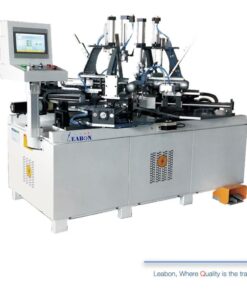
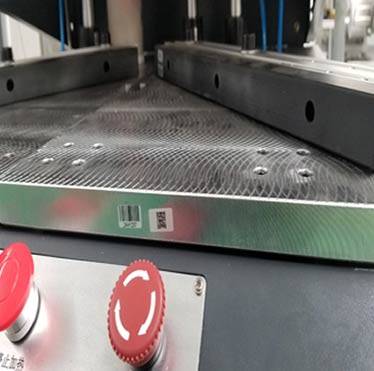
The table top is pentahedral processing, after heat treatment, fine plating
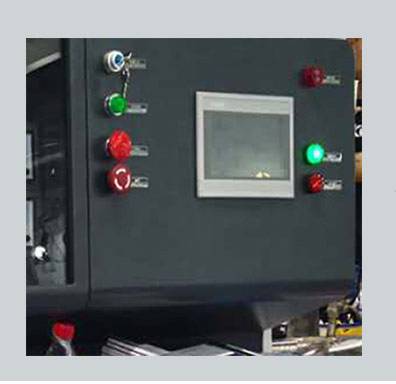
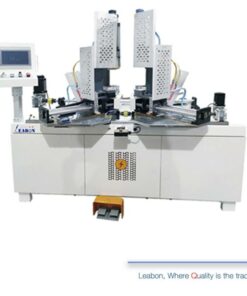
Touch screen configuration
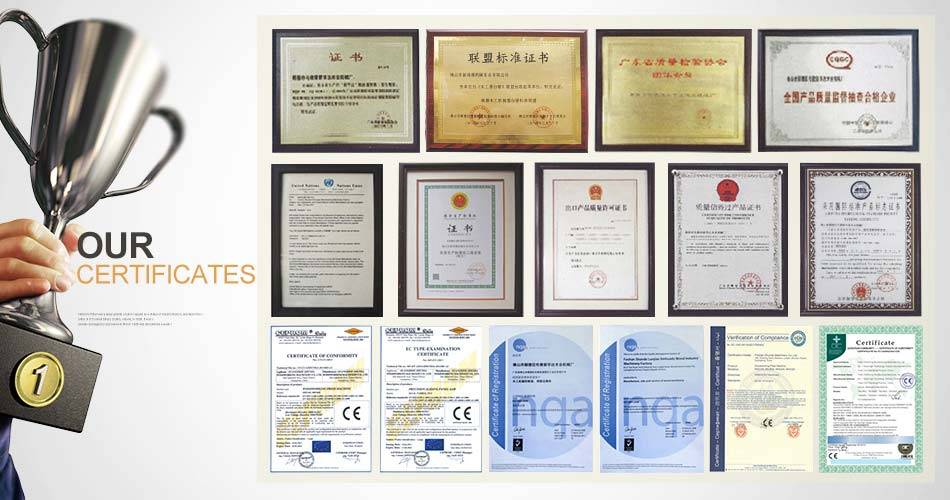
our certificate
How High-Frequency Wood Processing Works
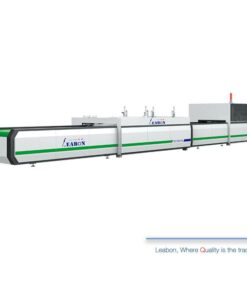
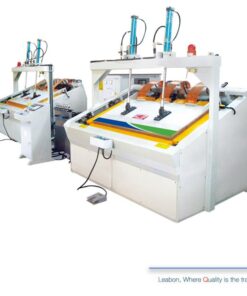
A high-frequency (HF) wood machine uses radio-frequency energy to heat and cure glue evenly through the thickness of the joint, not just at the surface. This is used for frame clamping, curved laminating and finger-jointing, where fast, uniform curing prevents warping and speeds up production versus cold pressing.
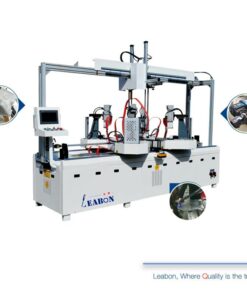
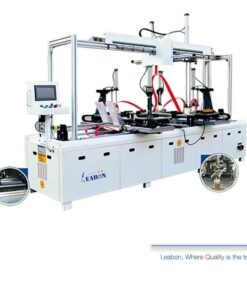
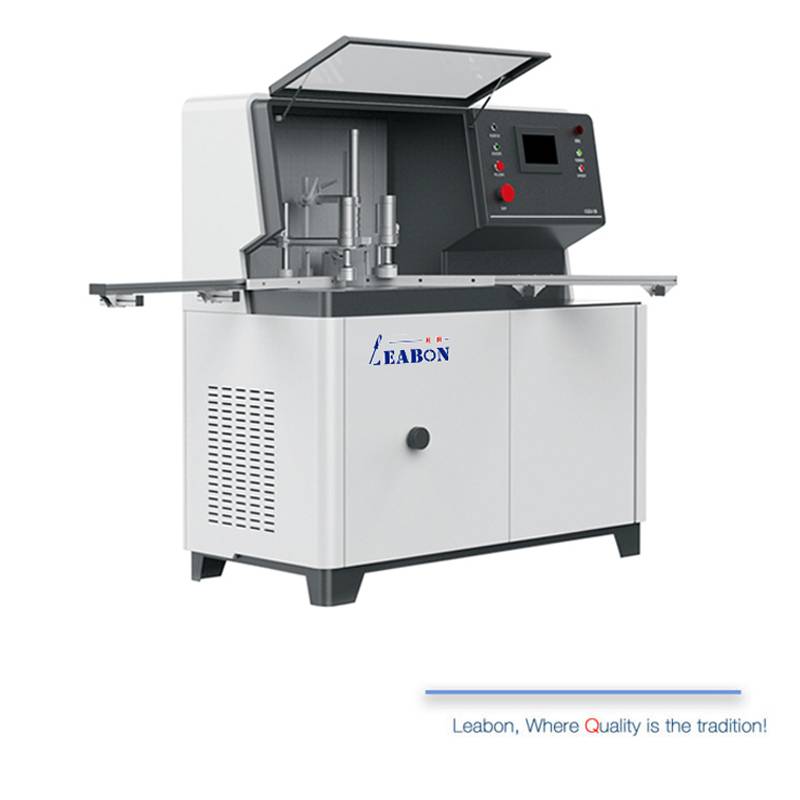
Automatic Gluing High Frequency Nail Angle Machine The glued surface of the workpiece is automatically glued, which is efficient, and the efficiency is 3-4 times that of the conventional high-frequency nailing machine. Save glue and spill less glue, easy to clean up.
Frequently Asked Questions
- Q: What is a high-frequency wood machine used for?
- A: It cures glue in frames, curved laminations, chair parts and finger joints quickly and evenly, replacing slow cold pressing.
- Q: Why use high frequency instead of cold pressing?
- A: HF heats the glue line directly, so curing takes minutes not hours and the joint stays flat — far higher daily output.
- Q: What products benefit from HF curing?
- A: Cabinet doors, window frames, curved furniture parts, chair components and engineered wood assemblies.
- Q: Is high-frequency wood processing safe?
- A: The cabinet is shielded and interlocked; operators follow standard procedures and the HF field is contained during the cycle.
- Q: What glue works with HF machines?
- A: Standard PVAc (white/yellow wood glue) and urea-formaldehyde cure well under HF; confirm the adhesive with Leabon for your product.
- Q: What is the typical cycle time?
- A: Many frame and lamination cycles finish in 1–5 minutes depending on section size and moisture.
Browse more High Frequency Wood Processing Machine range, or contact Leabon for a confirmed quotation.