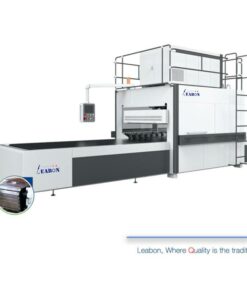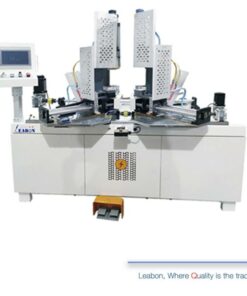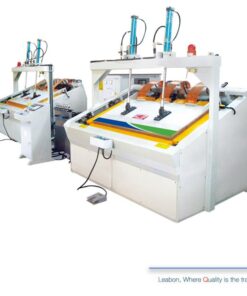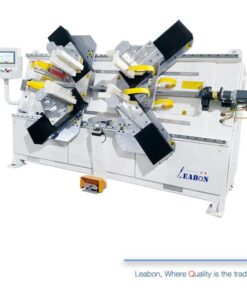
ABOUT PRODUCT


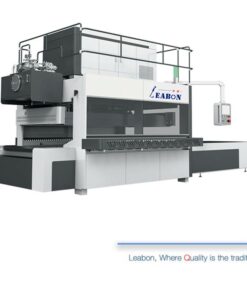
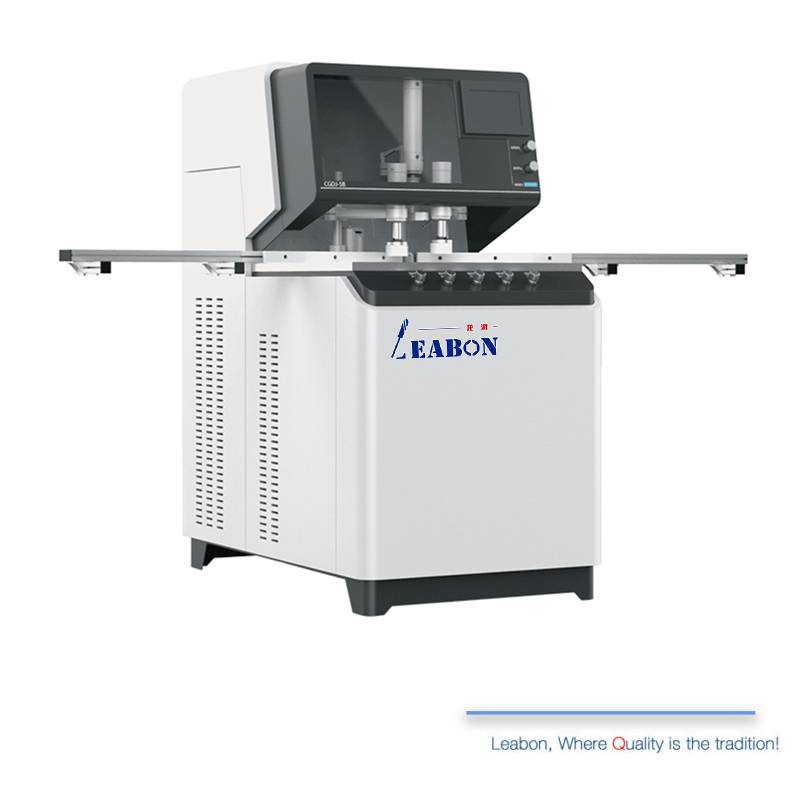
1. The table is pentahedral processing, and is finely plated after heat treatment
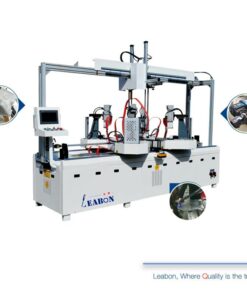
2. Automatic nailing, automatic nailing
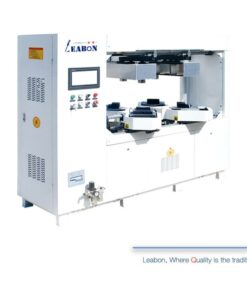
3. Touch screen + button operation has a longer service life
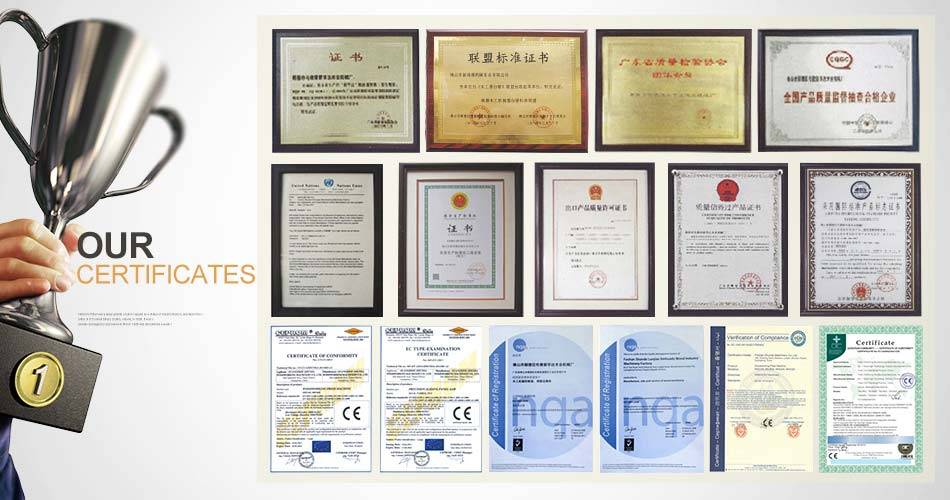
OUR CEFTIFICATE
How High-Frequency Wood Processing Works
A high-frequency (HF) wood machine uses radio-frequency energy to heat and cure glue evenly through the thickness of the joint, not just at the surface. This is used for frame clamping, curved laminating and finger-jointing, where fast, uniform curing prevents warping and speeds up production versus cold pressing.
Automatic Nailing High Frequency Nail Angle Machine After high-frequency cornering, corner nails (1~2 pieces, optional) will be automatically punched on the back of the buckle line. The connection strength is high, especially suitable for the assembly of solid wood lines.
Frequently Asked Questions
- Q: What is a high-frequency wood machine used for?
- A: It cures glue in frames, curved laminations, chair parts and finger joints quickly and evenly, replacing slow cold pressing.
- Q: Why use high frequency instead of cold pressing?
- A: HF heats the glue line directly, so curing takes minutes not hours and the joint stays flat — far higher daily output.
- Q: What products benefit from HF curing?
- A: Cabinet doors, window frames, curved furniture parts, chair components and engineered wood assemblies.
- Q: Is high-frequency wood processing safe?
- A: The cabinet is shielded and interlocked; operators follow standard procedures and the HF field is contained during the cycle.
- Q: What glue works with HF machines?
- A: Standard PVAc (white/yellow wood glue) and urea-formaldehyde cure well under HF; confirm the adhesive with Leabon for your product.
- Q: What is the typical cycle time?
- A: Many frame and lamination cycles finish in 1–5 minutes depending on section size and moisture.
Browse more High Frequency Wood Processing Machine range, or contact Leabon for a confirmed quotation.