


Automatic Wireless Wood Veneer Splicing Machine Main Features:
- Colloidal wire heater, the heating temperature can be adjusted from 0 to 230 degrees.
- With automatic heat preservation function.
- The colloidal wire is not disconnected in the heater wire duct.
- The seam mouth will never be blocked.
- The feeding speed of the veneer splicing machine is fast and the patchwork is good.


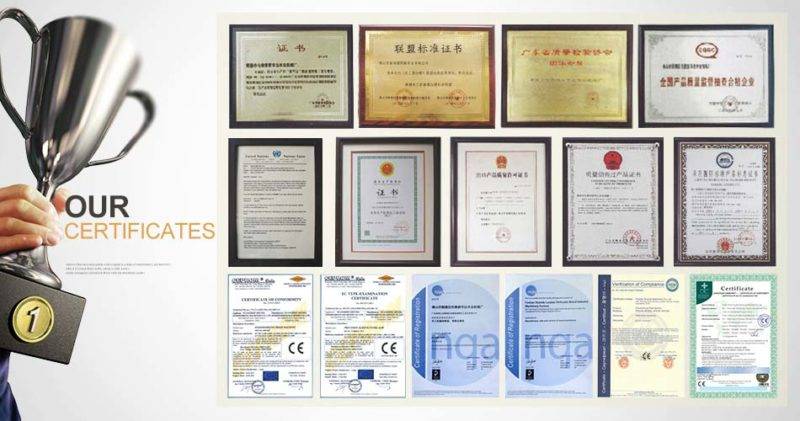
OUR CERTIFICATE
How a Wireless Veneer Splicer Works
- Prepare the strips — veneer strips are trimmed square and laid edge to edge on the machine table.
- Feed the thread — a thermoplastic colloidal thread is fed between the two edges from the heated wire duct.
- Melt — the heater melts the thread; the heating temperature is adjustable from 0 to 230 degrees, with automatic heat preservation.
- Bond — the joint is pressed and the molten thread bonds both edges while staying flexible.
- Continue — the spliced sheet leaves the machine as one continuous length, ready for further processing.
Why Wireless (Glue-Thread) Splicing
- No paper tape to sand off — the joint is made with a thin colloidal thread, not a taped seam.
- The seam stays flexible, so the spliced sheet can be handled and pressed without cracking.
- Automatic heat preservation keeps the thread from breaking in the heater wire duct.
- The seam mouth will never be blocked, so splicing continues without interruption.
- Fast feeding speed with good patchwork quality.
Key Features at a Glance
- Colloidal wire heater, heating temperature adjustable from 0 to 230 degrees
- Automatic heat preservation function
- Colloidal wire does not disconnect in the heater wire duct
- Seam mouth never blocks
- Fast feeding speed and clean patchwork
Typical Applications
- Joining short veneer strips into longer continuous sheets
- Face veneer for plywood and furniture panels
- Door skin and panel skin production
- Any workshop that patches or lengthens veneer before pressing
How to Choose
Tell us the following and we will confirm the right configuration:
- Veneer thickness and strip width to be spliced
- Required output, in metres per shift or per day
- Your supply voltage and phase
- Whether you also need spare colloidal thread supplied with the machine
Frequently Asked Questions
- Q: What is a veneer splicer machine used for?
- A: It joins several narrow veneer strips into one longer, continuous sheet. The spliced sheet is then used as face veneer for plywood, furniture panels and door skins.
- Q: How does wireless veneer splicing work?
- A: A thermoplastic colloidal thread is fed between two veneer edges, melted by the heated wire duct at an adjustable 0 to 230 degrees, and pressed. The molten thread bonds both edges into a flexible, nearly invisible joint — so there is no paper tape to sand off later.
- Q: What is the heating temperature range?
- A: The colloidal wire heater is adjustable from 0 to 230 degrees, with automatic heat preservation so the thread keeps a stable working temperature.
- Q: Does the thread break or the seam block during long runs?
- A: No. The colloidal wire is designed not to disconnect in the heater wire duct, and the seam mouth will never be blocked — so production continues without stopping to clear the joint.
- Q: Do you provide installation, training and warranty?
- A: Yes. Leabon provides overseas on-site installation, operator training and a 12-month warranty with spare-parts support.
Browse more veneer and panel auxiliary machines, or contact Leabon for a confirmed quotation.


