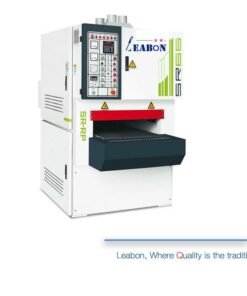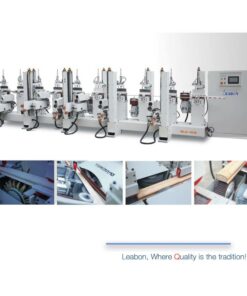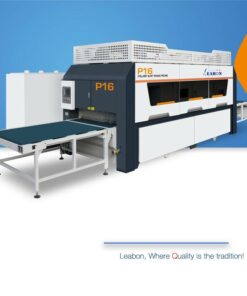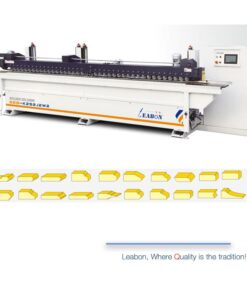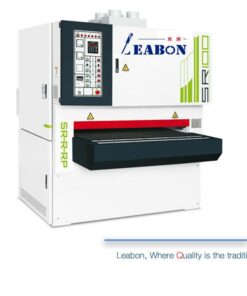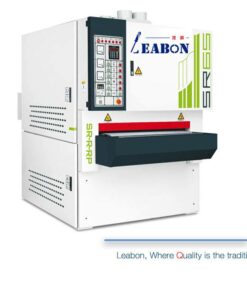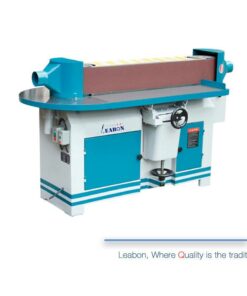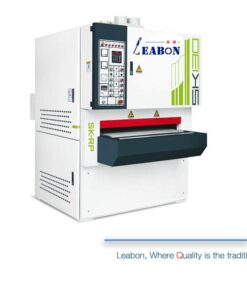
Belt Sanding Machine
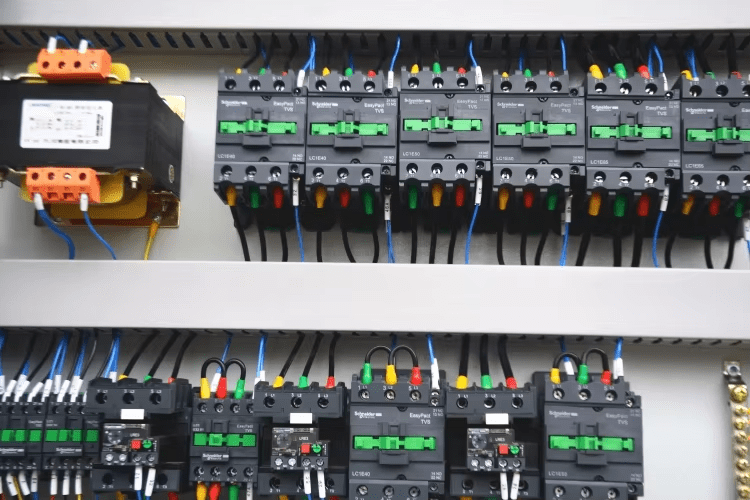
Branded Electrical Parts
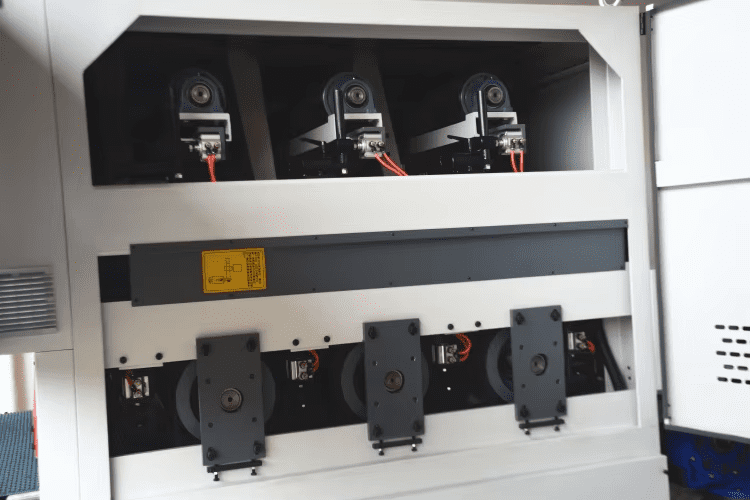
Durable Spindle
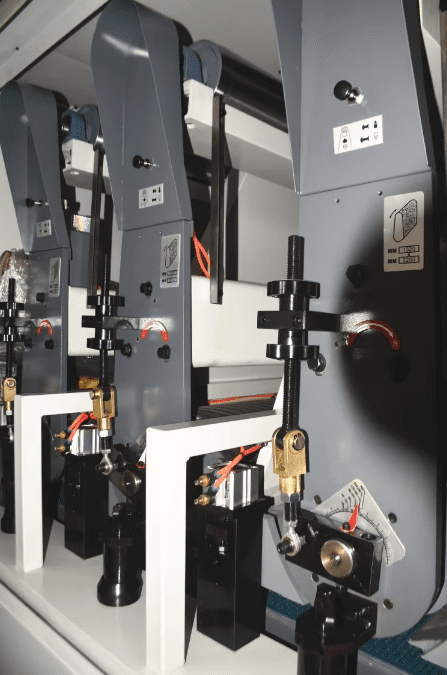
Heavy Duty 3 Rollers Structure
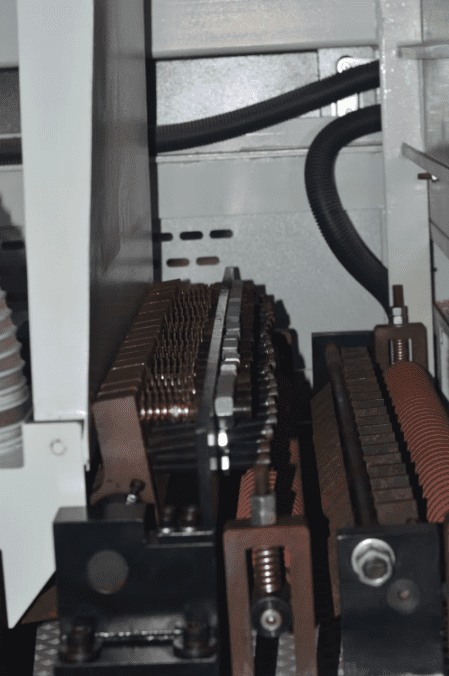
Anti-kickback System
Belt Sanding Machine Features
- Work piece thickness displayed by micro-computer button type thickness displayer, precise and durable.
- Sanding paper swing controlled by air power, swing is smooth and even.
- Front and back double emergency knob, can control the machine to urgently stop within 3-5 Seconds.
- Faults Display fitted (sanding paper right and left deviation, inadequate air pressure, emergency knob, over thickness work piece). It’s easy to judge basic equipment trouble. Faults emergency stop adopts automatically descend protection facility, the panel surface won’t be damaged from emergency stop.
- Use branded conveyor, grinding duration is 3-5 times as ordinary conveyor.
- Conveyor fit with automatic centering facility.
- Conveyor speed adjusted by frequency controller, easy adjusting. It can be adjusted as per the work piece in processing to improve sanding quality.
- Sanding paper swing controlled by Omran photoelectric.
- 1st group sanding roller use 240mm diameter eccentric steel thickness roller, high smoothness, heavy sanding quantity; 2nd group roller use 210mm diameter, 70 shore hardness thickness roller and fit with extractable polishing pad.
- Conveyor use T shape screw pole craft, high precision.
- Main motor automatically star triangle(Less pressure) start.
- Main spindle of the equipment use Japan NSK and Sino-Japan manufactured TR bearing.
- The electrical parts use Schneider Brand.
- Conveyor use marble material, its shape won’t be changed because of temperature. Precision and grinding duration is higher than steel conveyor.
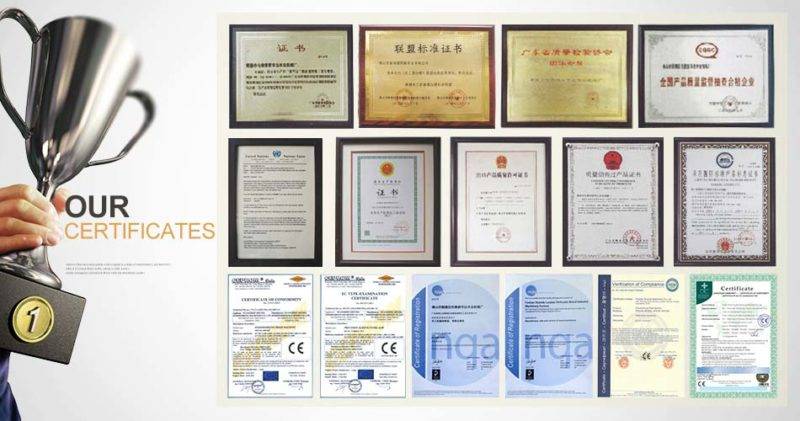
OUR Certifications
How a Sanding Machine Works
A wide-belt or brush sander drives abrasive belts or rotating brushes across the workpiece to remove mill marks and level the surface. Feed rollers carry the panel through at a set speed while adjustable heads control grit and pressure, giving a consistent finish ready for lacquer or laminate.
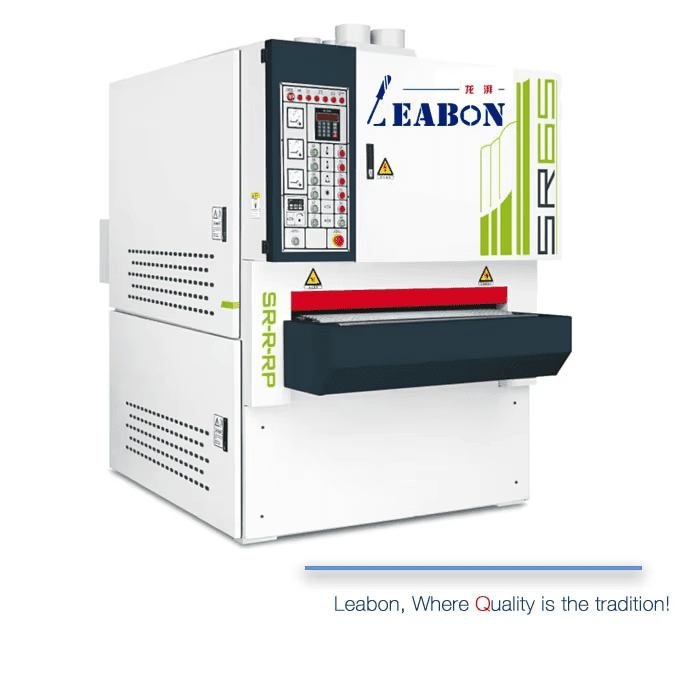
Belt Sanding Machine Wide Belt Saner for Woodworking Industry Plywood Sanding SR-R-RP650 . It’s heavy duty belt sanding machine with 3 rollers in the market.
Frequently Asked Questions
- Q: What is a sanding machine used for?
- A: It levels and smooths wood, MDF, plywood and lacquered panels before finishing, removing plane marks, glue and raised grain.
- Q: What is the difference between a wide-belt and a brush sander?
- A: A wide-belt sander flattens large flat surfaces; a brush sander follows profiles, edges and carved surfaces that a flat belt cannot reach.
- Q: What grit sequence should I use?
- A: Start coarse (e.g. 80–120) to level, then finer (180–320) for a finish-ready surface; the right sequence depends on the wood and final coating.
- Q: Can a sander handle lacquered panels?
- A: Yes — a dedicated lacquer sander uses fine belts and dust control to polish cured coating without burning it.
- Q: How wide a panel can it sand?
- A: Working widths run from small bench units to 600 mm, 1000 mm and wider industrial belts; match to your panel size.
- Q: Does sanding create a lot of dust?
- A: It does — connect the machine to a dust collector (Leabon supplies auxiliary dust collectors) for a clean, safe shop.
Browse more Sanding Machine range, or contact Leabon for a confirmed quotation.