
Tool Changer Spindle
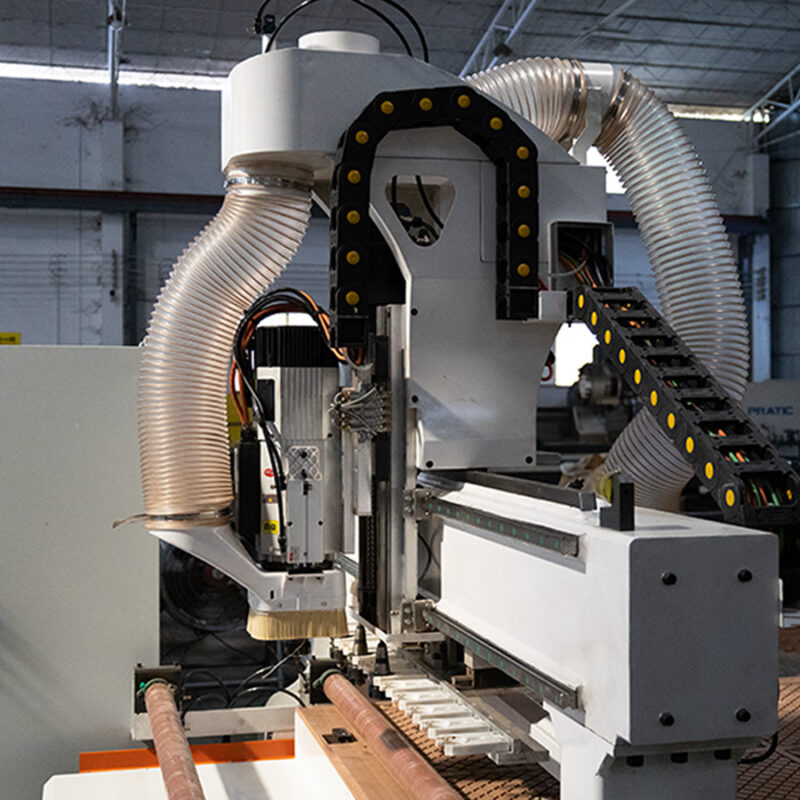
High-power tool changer spindle for easier tool switching and more efficient cutting and processing.
Split Chain Guide
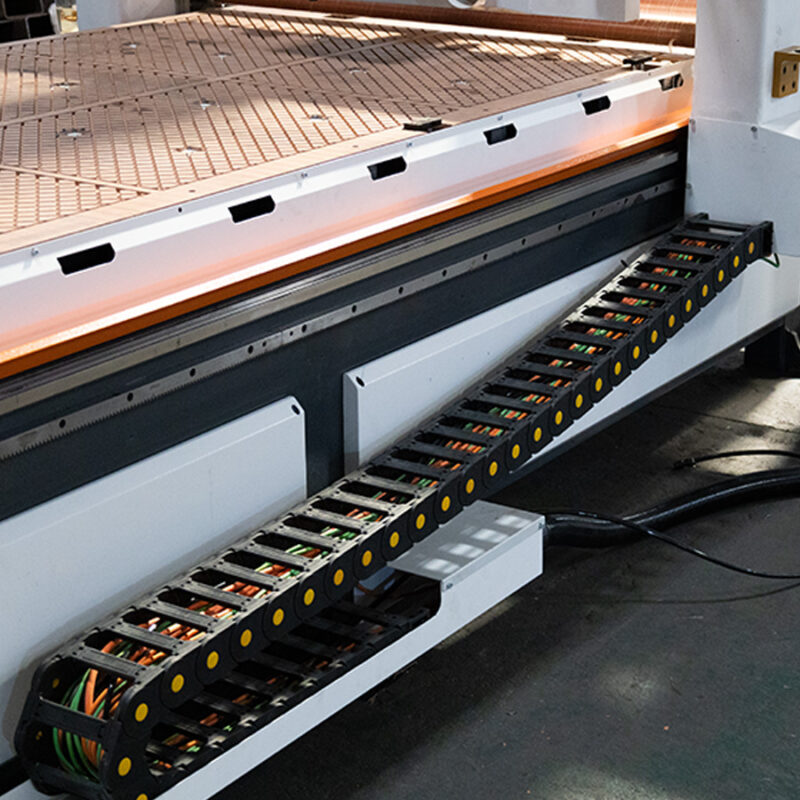
Highly flexible nylon chain guide for enhanced flexibility and durability
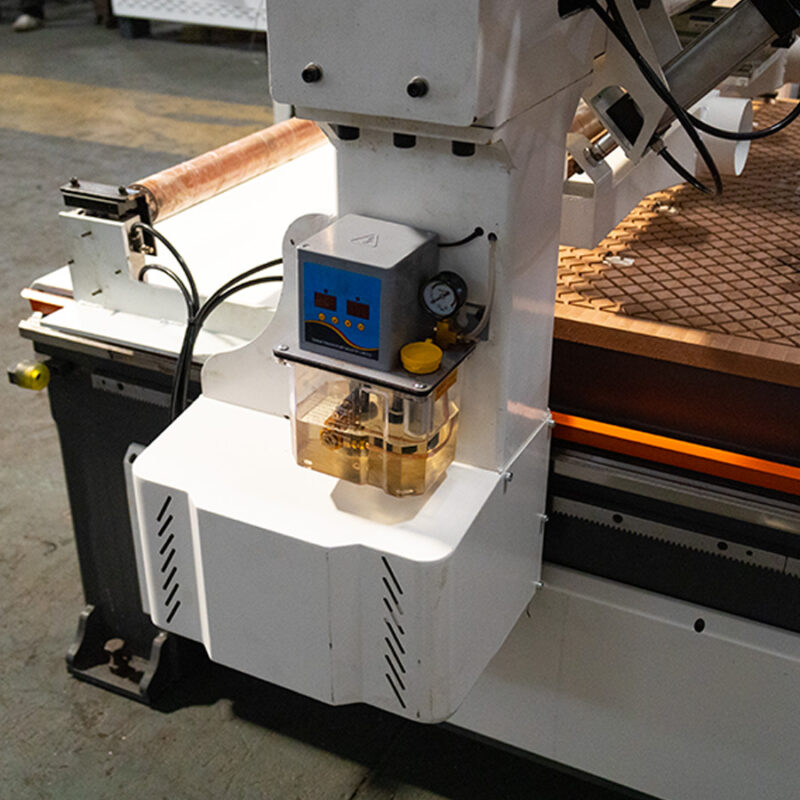
Automatic Oiling System
Centralized oiling ensures more precise oiling, effectively extending machine life. Actively controls oil volume to reduce waste.
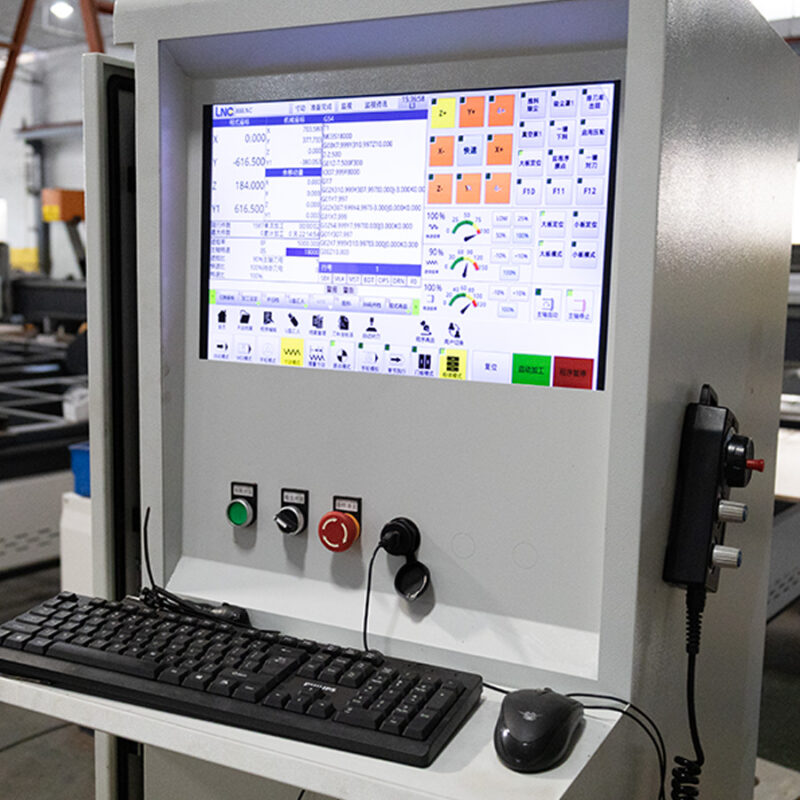
Control System
Taiwan Baoyuan control system, highly expandable and upgradable to add functionality
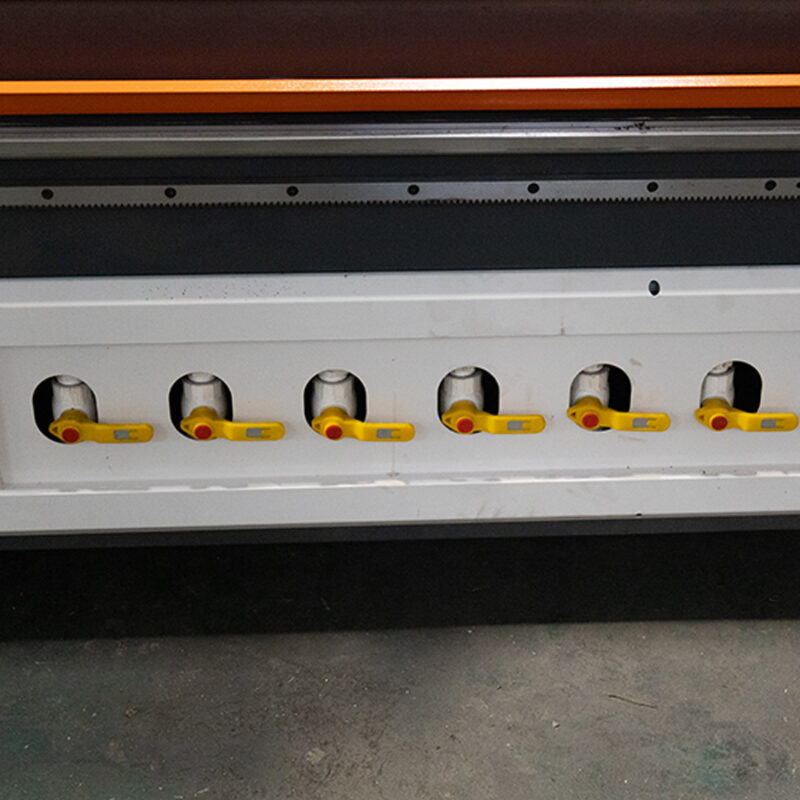
Vacuum control switch
Independent control of different zones allows for easy handling of panels of varying sizes
How a CNC Router Works
A CNC router moves a spinning cutter along X, Y and Z axes under computer control to cut, drill, groove and carve sheet goods and solid wood from a CAD/CAM program. It nests parts to save material and repeats complex shapes exactly, making it the flexible core of many panel and sign shops.
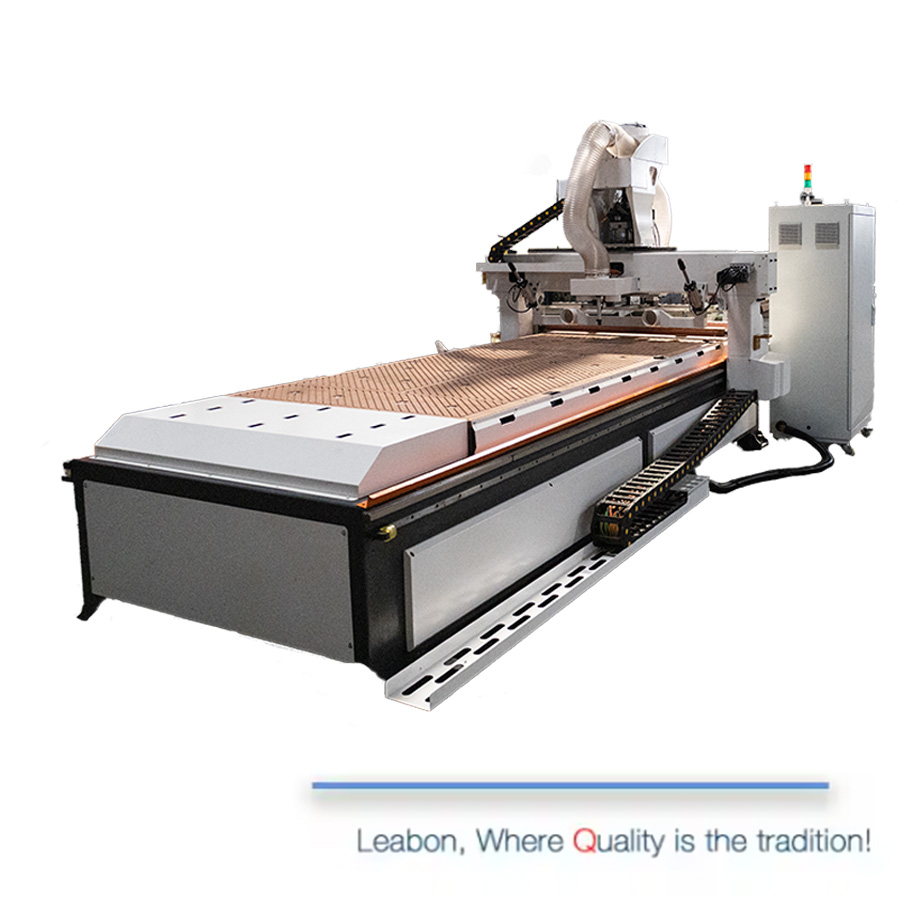
This solid wood carving machine integrates precise carving and efficient milling functions, and can perform processes such as relief carving, hollowing, and cutting on various solid wood boards. It is an ideal piece of equipment for furniture manufacturing and wood carving craft production.
Frequently Asked Questions
- Q: What is a CNC router used for?
- A: It cuts, drills, grooves and carves wood, MDF, plywood, acrylic and aluminium composite from a program.
- Q: What is the difference between a CNC router and a CNC nesting machine?
- A: They share the same principle; a nesting machine is optimised to cut full sheets into cabinet parts, while a router also handles 3D carving and smaller work.
- Q: What materials can it cut?
- A: Wood, MDF, plywood, acrylic, PVC and thin aluminium composite — match the tool and spindle to the material.
- Q: What working size should I choose?
- A: Common beds are 1300×2500 mm and larger; pick to fit your sheet size and part geometry.
- Q: Do I need CAD/CAM skills?
- A: Basic program use is enough for standard nesting; Leabon provides training and can supply cutting files.
- Q: How fast is a CNC router?
- A: Rapid positioning is high; actual cut speed depends on material, tool and depth — optimised in the program.
Browse more CNC Router Machine range, or contact Leabon for a confirmed quotation.
