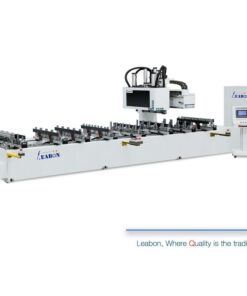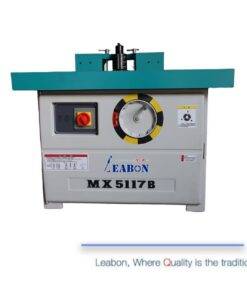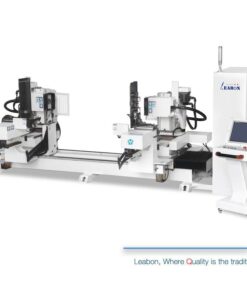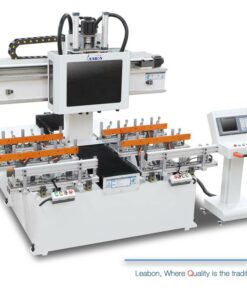


Four easy steps to achieve tenon processing 1. Manual loading. Workers place the workpiece on the work surface and wait for processing
2. Cylinder pressing. Use cylinder pressing to press the workpiece and wait for processing
3. Processing device. Complete the required tenon for the workpiece at one time
4. Manual unloading. Take the workpiece out after processing

How a Mortise and Tenon Machine Works
A mortise and tenon machine cuts the interlocking joint used in chairs, tables and frames: one station chisels the mortise (hole) while another forms the tenon (tongue) on the rail end, so parts assemble square and strong without metal fixings.
This CNC tenoning machine is a versatile and high-precision woodworking tool, expertly designed to create a variety of joinery. It effortlessly handles the production of square tenons, angled oval tenons, round tenons, and oval tenons, making it an indispensable asset for diverse woodworking projects.
Frequently Asked Questions
- Q: What is a mortise and tenon machine used for?
- A: It cuts mortise-and-tenon joints for chairs, tables, doors and frames — the classic strong wood joint.
- Q: Does one machine cut both mortise and tenon?
- A: Combined machines cut both in one setup; some shops use a dedicated tenoner and a mortiser.
- Q: What wood sizes can it joint?
- A: Rail and leg sections up to the machine’s capacity; confirm max tenon length and mortise depth on the spec sheet.
- Q: How accurate are the joints?
- A: Fixed jigs and stops hold the joint square and repeatable, so assembled frames stay true.
- Q: Is it faster than hand cutting?
- A: Far faster and more consistent — dozens of joints per hour versus hand work.
- Q: Is training included?
- A: Yes — setup guidance, operation training and spare-part support are provided.
Browse more Mortise and Tenon Machine range, or contact Leabon for a confirmed quotation.