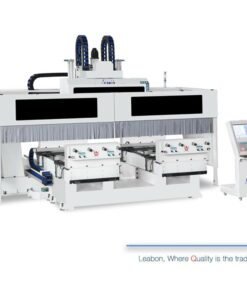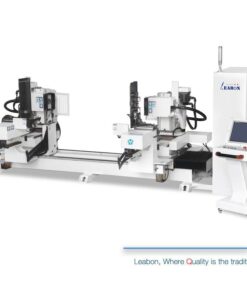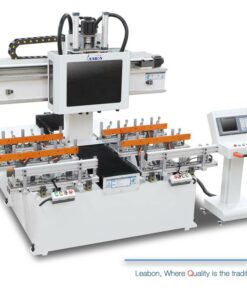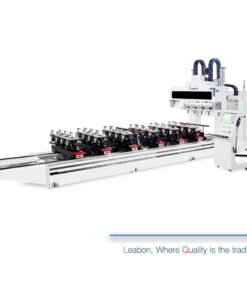
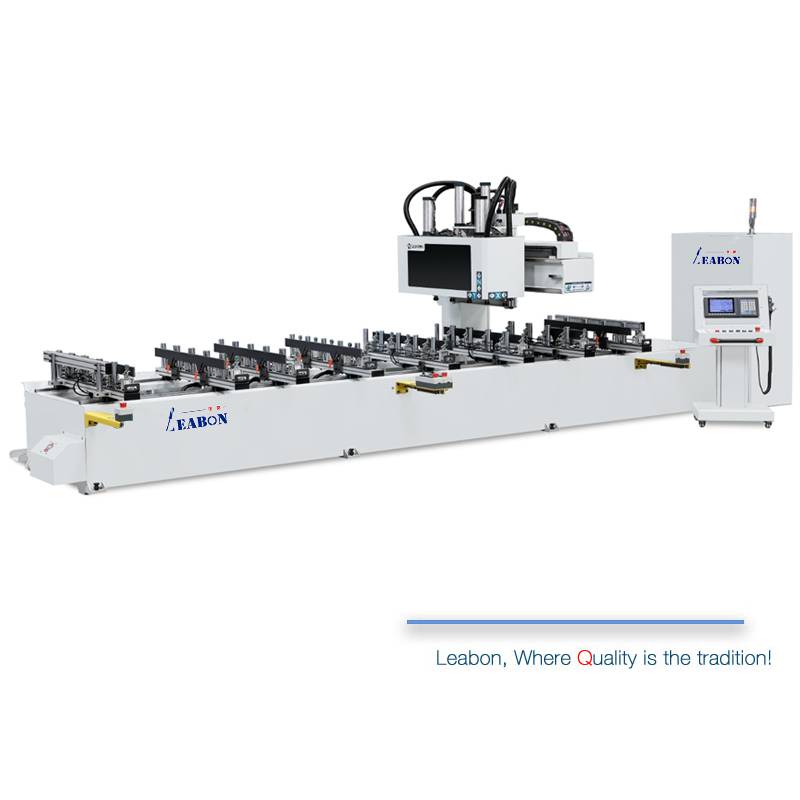
Features of CNC Mortising Machine
1, It adopts advanced numerical control system, which is convenient to adjust and easy to learn.2, No need to program, take the tool bar to take the point, you can generate the machining program to ensure the workpiece machining position is accurate.
3, high processing efficiency; multi-axis multi-station processing, left and right work station uninterrupted cycle processing.
4, The application of a wider range, suitable for processing a variety of different shapes, different specifications of the groove work.
5.It has significant advantages in the processing of complex special-shaped workpieces with multiple tongue and groove, small hole and groove combination of tongue and groove spacing, and different length and depth of tongue and groove on the same workpiece.
PARTS PICTURES

Taiwan billion map system, editing is easy to learn and understand.
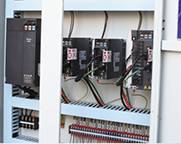
Taiwan Delta inverter, one-to-one control high frequency motor.
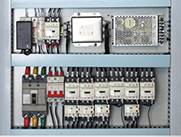
France schneider electric components.
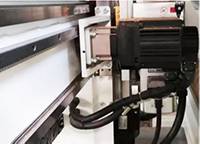
Germany imported guide rail, steel cover design protection slider.
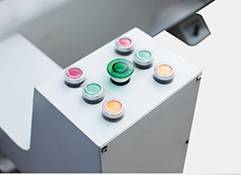
Dust control button.
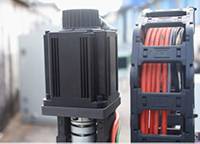
Select Delta servo drive motor.
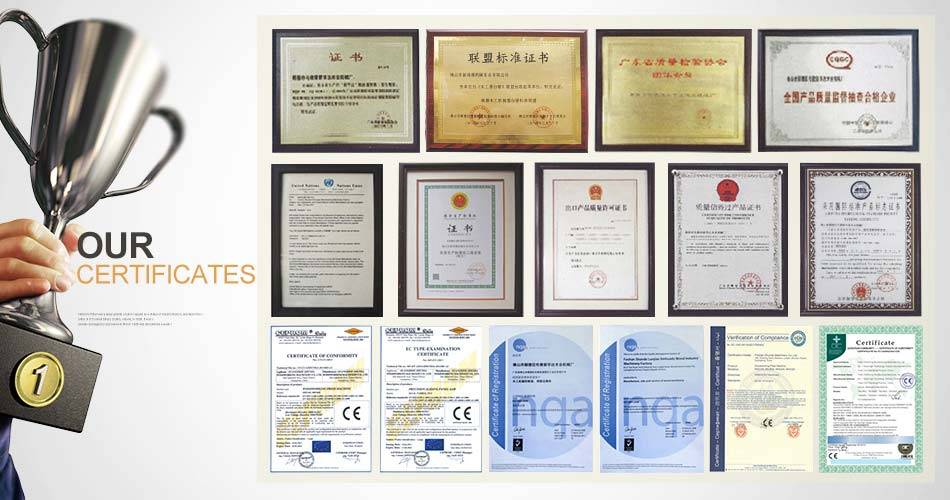
OUR CERTIFICATES
How a Mortise and Tenon Machine Works
A mortise and tenon machine cuts the interlocking joint used in chairs, tables and frames: one station chisels the mortise (hole) while another forms the tenon (tongue) on the rail end, so parts assemble square and strong without metal fixings.
CNC Mortising Machine Efficient continuous milling multi-station simultaneous machining of holes and grooves greatly improves processing efficiency. After one group of workpieces is processed, another group of workpieces can be clamped at the same time.
Frequently Asked Questions
- Q: What is a mortise and tenon machine used for?
- A: It cuts mortise-and-tenon joints for chairs, tables, doors and frames — the classic strong wood joint.
- Q: Does one machine cut both mortise and tenon?
- A: Combined machines cut both in one setup; some shops use a dedicated tenoner and a mortiser.
- Q: What wood sizes can it joint?
- A: Rail and leg sections up to the machine’s capacity; confirm max tenon length and mortise depth on the spec sheet.
- Q: How accurate are the joints?
- A: Fixed jigs and stops hold the joint square and repeatable, so assembled frames stay true.
- Q: Is it faster than hand cutting?
- A: Far faster and more consistent — dozens of joints per hour versus hand work.
- Q: Is training included?
- A: Yes — setup guidance, operation training and spare-part support are provided.
Browse more Mortise and Tenon Machine range, or contact Leabon for a confirmed quotation.