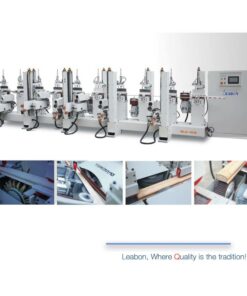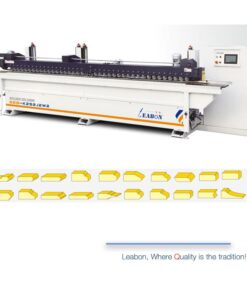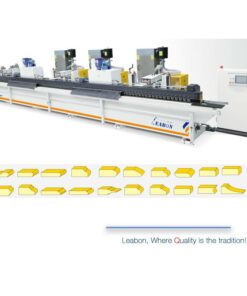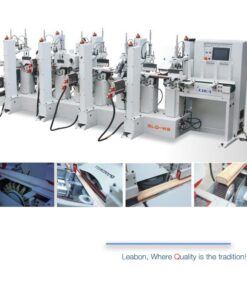
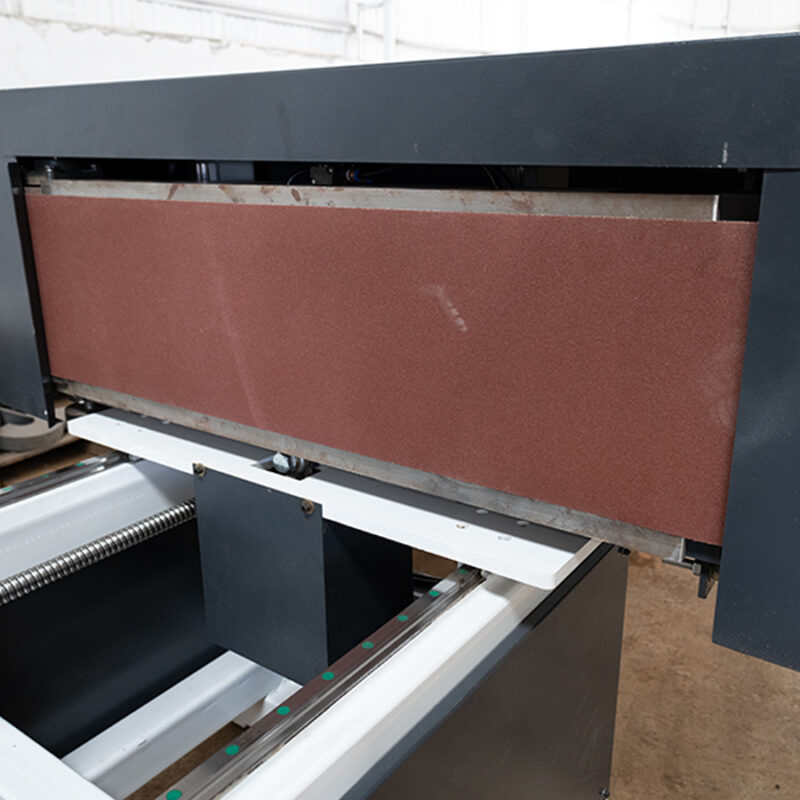
How an Edge Sander Works
An edge sander uses a belt on a contoured platen or oscillating head to sand panel edges, curves and profiled surfaces that a wide belt sander cannot reach, giving clean, coat-ready edges on routed or shaped parts.
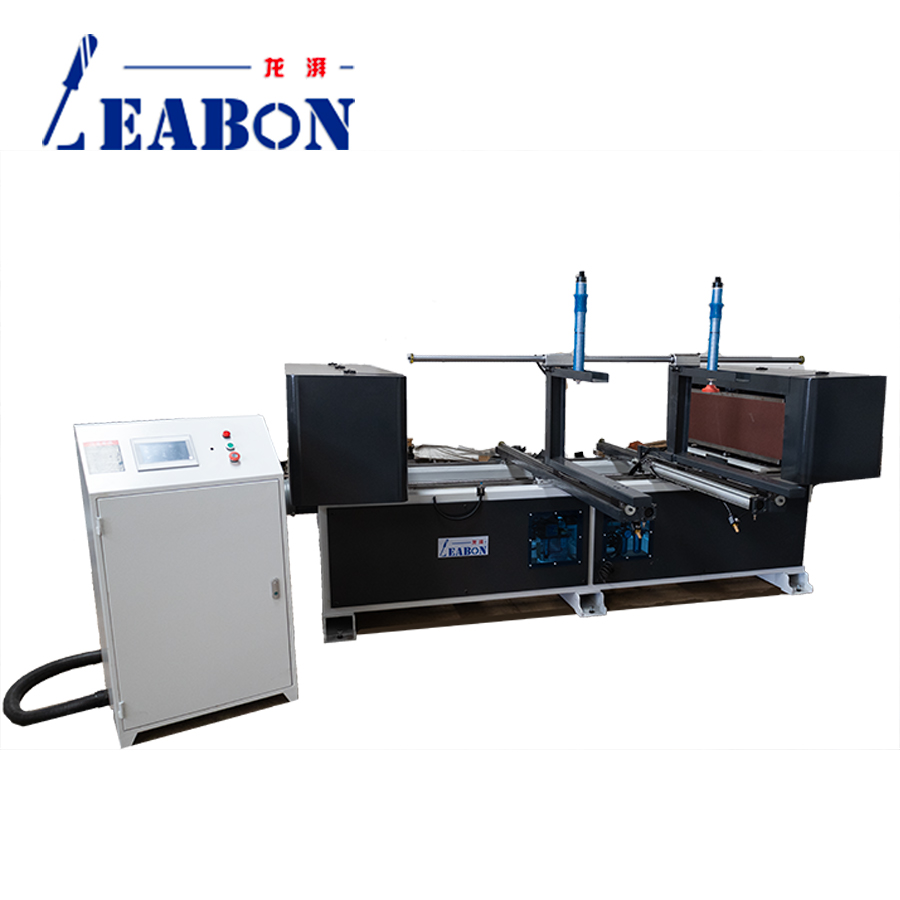
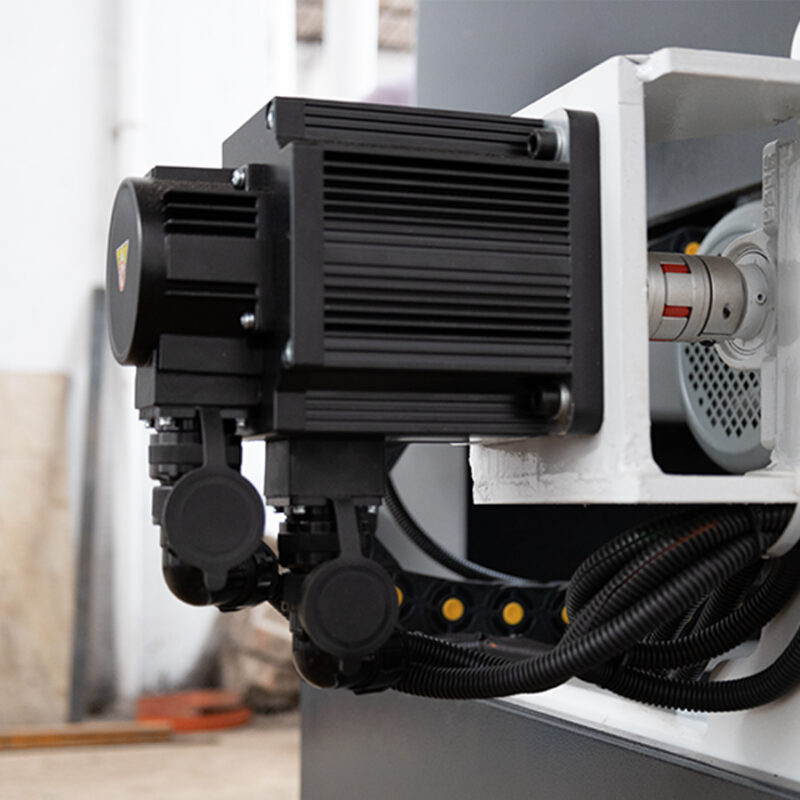
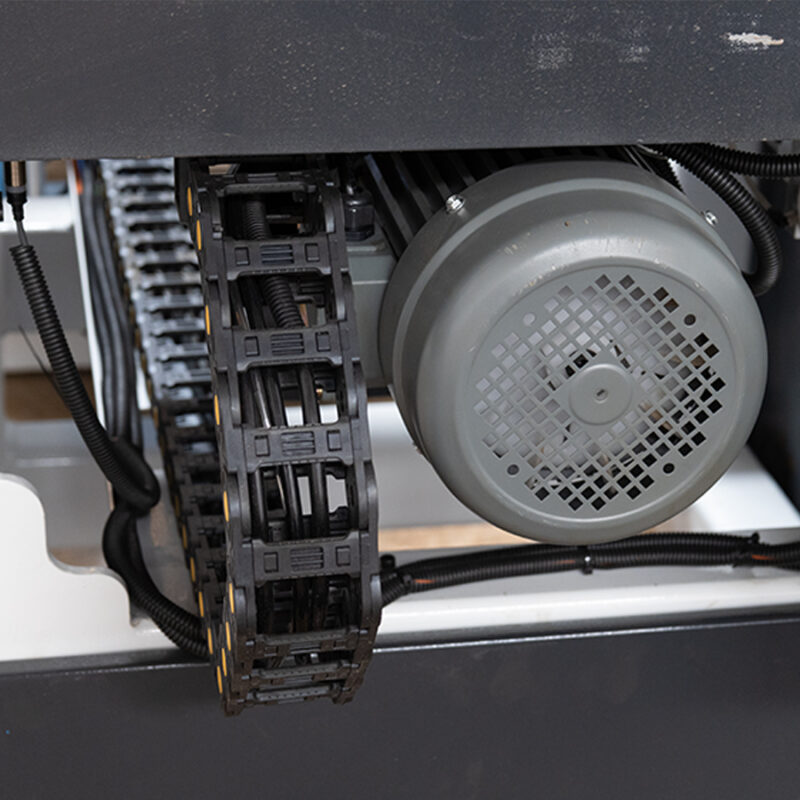
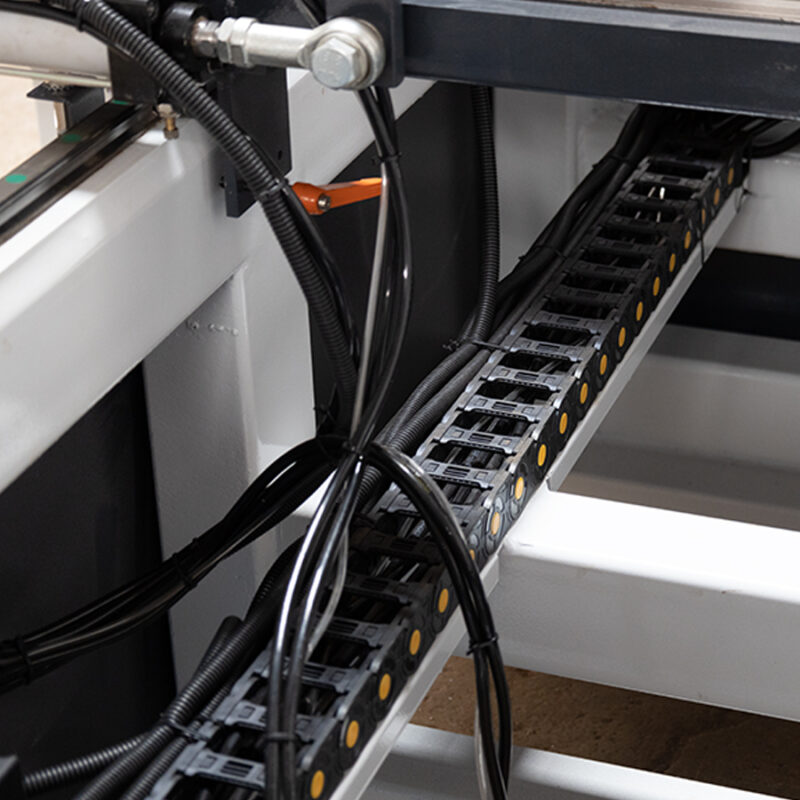
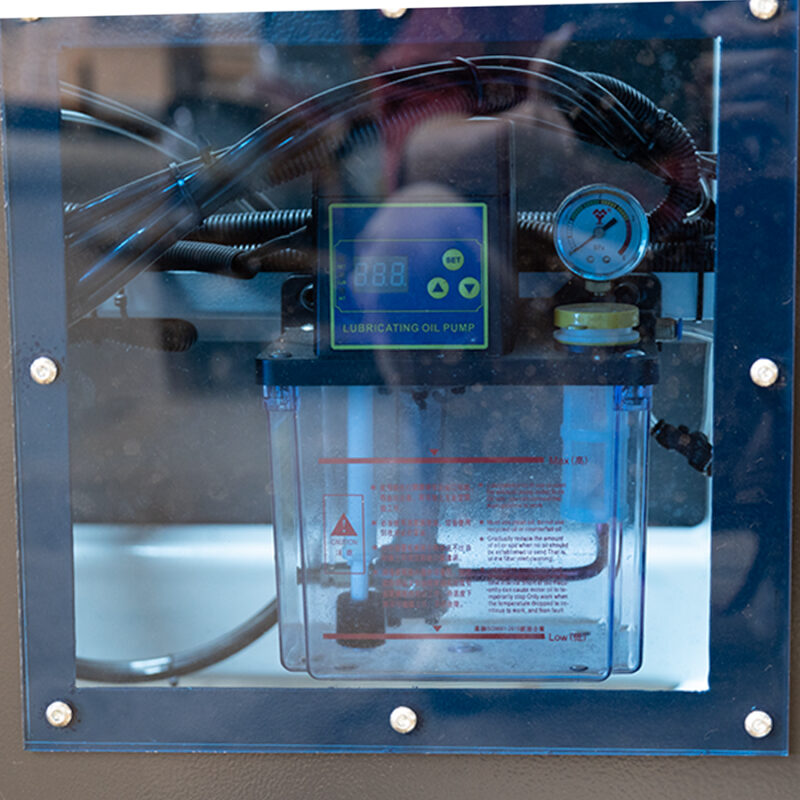
Double-end sanding machine with max sanding length 1600mm, max width 1000mm, max thickness 500mm, min thickness 250mm. Features stable performance, high efficiency and smooth sanding effect.
Frequently Asked Questions
- Q: What is an edge sander used for?
- A: It sands straight and curved panel edges, profiles and shaped parts before finishing.
- Q: What is the difference from a wide belt sander?
- A: A wide belt sands flat faces; an edge sander follows edges, curves and profiles.
- Q: What materials can it sand?
- A: Wood, MDF and painted or veneered edges up to the machine’s capacity.
- Q: Is it good for curved parts?
- A: Yes — osciling and shaped-platen edge sanders follow curves that flat sanders miss.
- Q: Does it need dust extraction?
- A: Yes — connect it to a dust collector for a clean, safe shop.
- Q: Is training included?
- A: Yes — setup guidance, operation training and spare-part support are provided.
Browse more Edge Sander range, or contact Leabon for a confirmed quotation.