
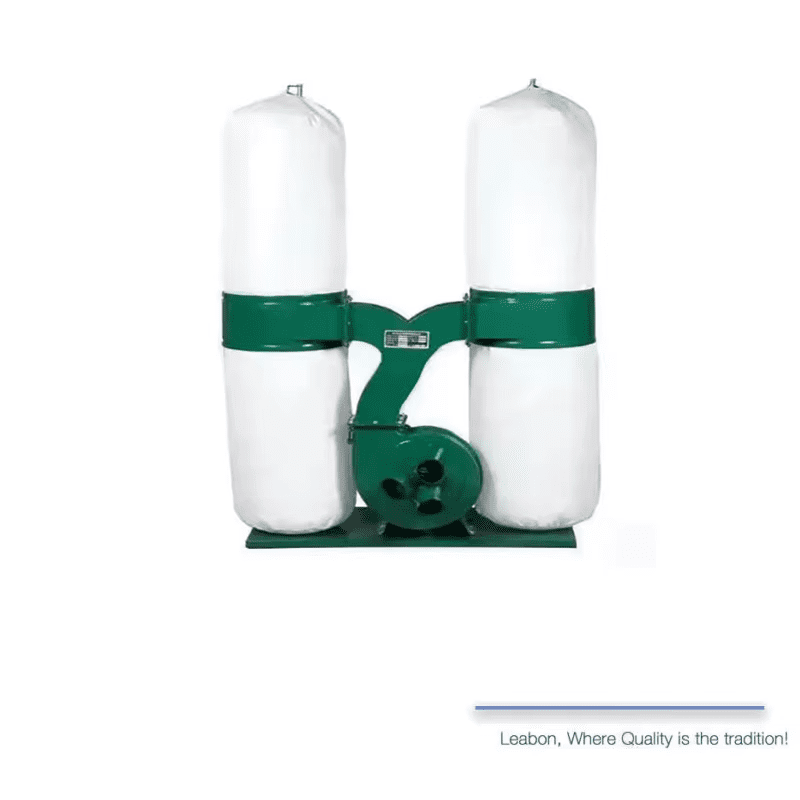
Dust Collector
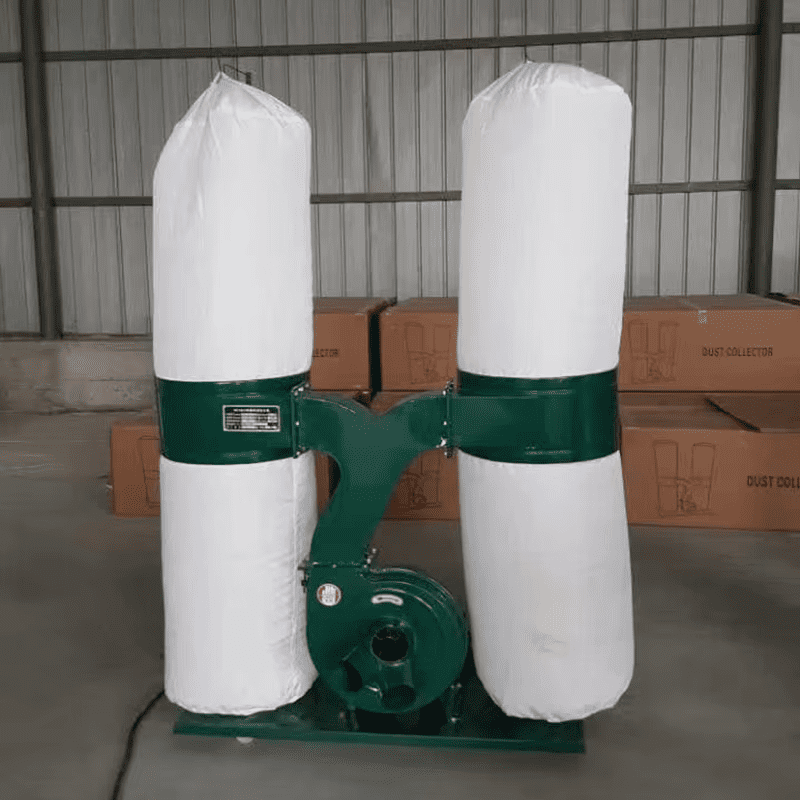
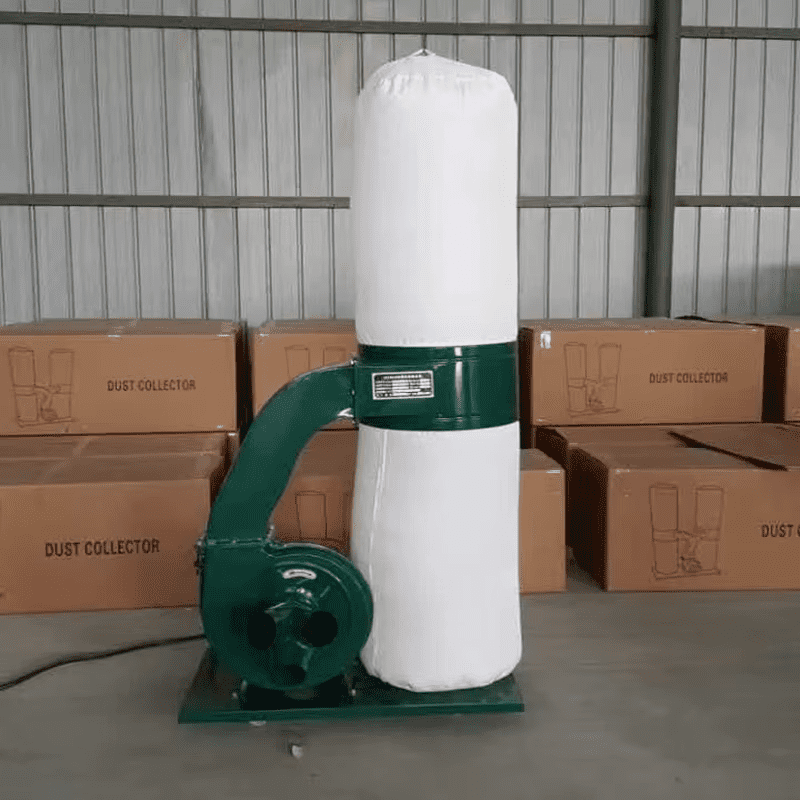
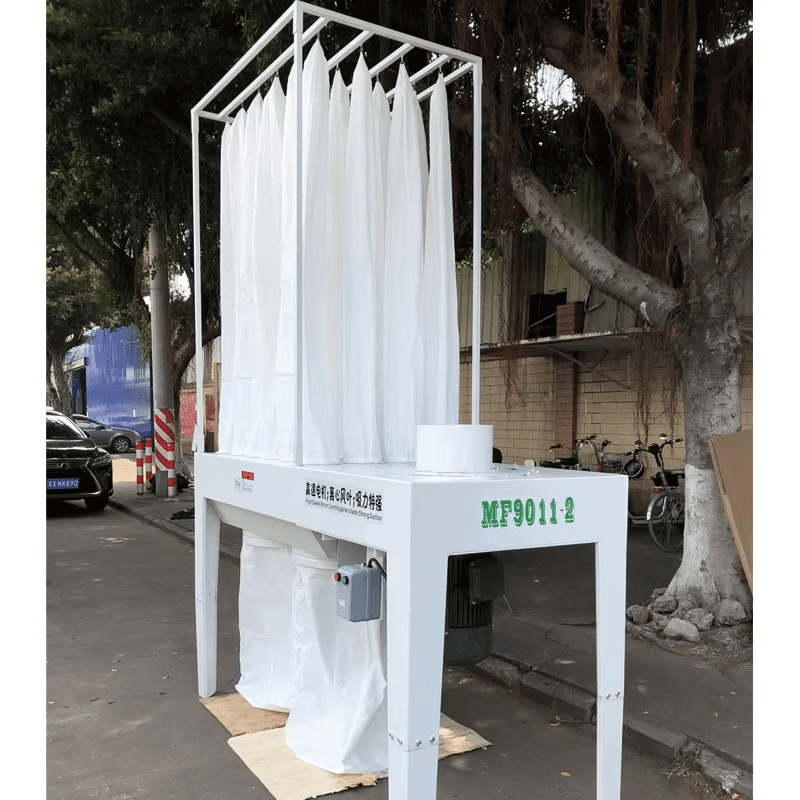
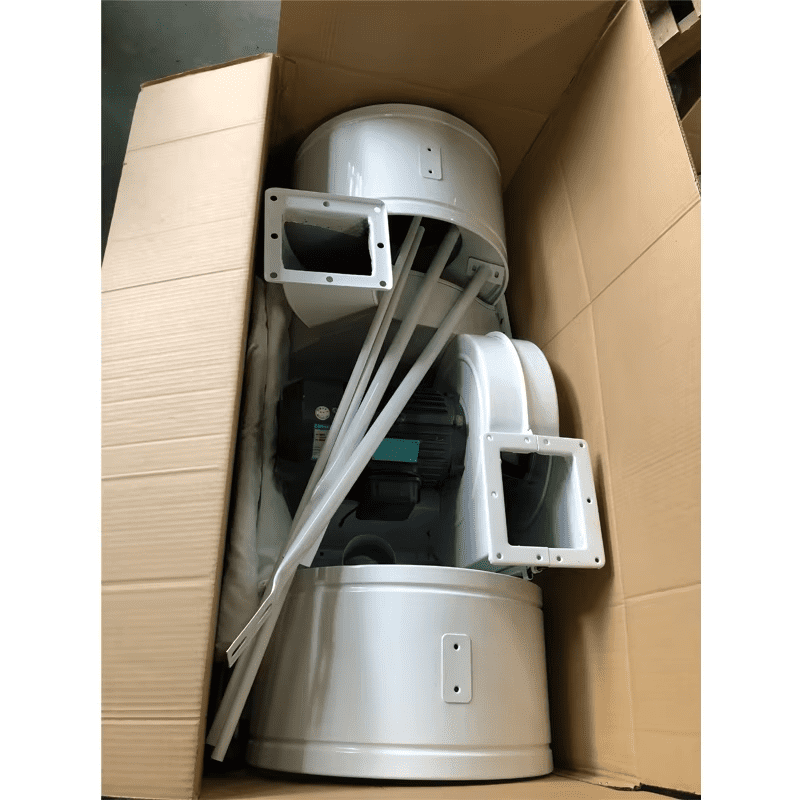
Woodworking Dust Collector are essential for woodworking machinery and equipment. They can collect wood chips, keep the working environment clean, protect the machine from wear and tear, and improve work efficiency and safety.
1. Reduce the damage of sawdust to the machine: Wood dust can enter the interior of the machine, causing bearing wear, motor overheating, and even machine failure. Woodworking vacuum cleaners can collect sawdust and protect the internal parts of the machine. Reduce the wear of dust and debris on precision parts and extend the service life of the machine. 2. Improve work efficiency: Wood dust accumulation will affect the operation of the machine, such as affecting the accuracy of the machine and reducing work efficiency. Vacuum cleaners can remove sawdust in time, keep the work space clean, and make operation smoother. Clean up the work area to avoid accidents and improve work safety. 3. Protect the health of carpenters: Wood dust has a stimulating effect on the human respiratory system, and long-term inhalation can cause health problems. Woodworking vacuum cleaners can effectively filter sawdust in the air and protect the health of carpenters. Reduce the concentration of dust in the working environment and reduce the occurrence of respiratory diseases. 4. Improve the working environment: Keeping the work space clean can improve the quality of the working environment and increase the enthusiasm of workers. A clean working environment can reduce the risk of accidents. 5. Reduce maintenance costs: Timely cleaning of wood chips can reduce wear inside the machine and reduce the frequency and cost of maintenance. Reduce the occurrence of machine failures and reduce maintenance costs.
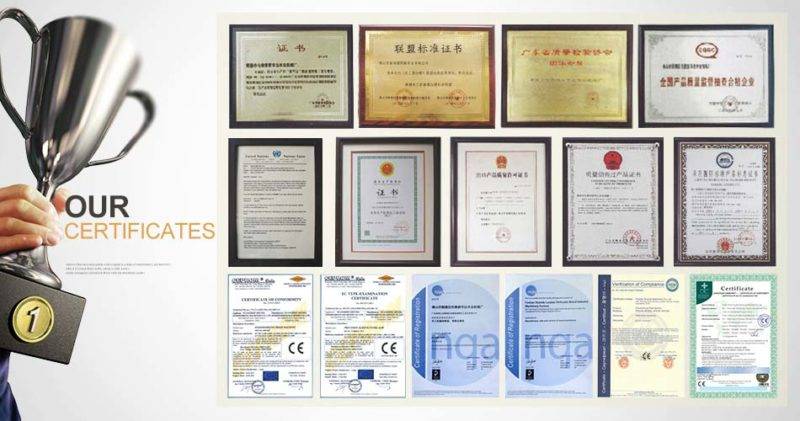
Our Certificate
How a Cyclone Dust Collector Works
- Capture at the machine — a hood or duct at each machine picks up chips and dust where they are produced.
- Transport by air — the fan draws the dust-laden air through the ducting to the collector.
- Cyclone separation — the air enters the cone tangentially and spins, so centrifugal force throws coarse chips and heavy particles to the wall and they fall into the collection bin below.
- Fine dust stage — fine dust that the cyclone does not drop is then handled by the unit’s filter stage (or exhausted outdoors, depending on configuration).
- Discharge — the bin is emptied periodically, so chips never reach machine bearings, motors or the operator’s lungs.
Why Every Woodworking Machine Needs Extraction
- Protect the machines — dust that reaches bearings and motors causes wear, overheating and breakdowns.
- Keep accuracy and output — sawdust left on the machine affects working accuracy and slows the operator down.
- Protect operators’ health — wood dust irritates the respiratory system; extraction lowers dust concentration in the workshop.
- Lower maintenance cost — less dust inside the machine means fewer failures and cheaper maintenance.
- Cleaner, safer workplace — less dust on the floor and in the air means fewer accidents.
Applications
- Edge banding machines, panel saws, CNC routers, sanders and moulders
- Furniture, cabinet, door and panel factories
- Any workshop that needs chip and dust extraction at one machine or at a group of machines
How to Size a Dust Collector
A collector is sized on the machines it serves, not on the floor area of the workshop. To recommend the right unit, Leabon needs:
- The number and type of machines to be connected
- Duct run length, number of bends and branch take-offs
- Chip and dust volume the process produces, and the material being cut (MDF, particleboard, solid wood, plywood)
- Installation position and available headroom, plus your supply voltage and phase
Send these details and we will size the fan, ducting and collection bin for your workshop.
Frequently Asked Questions
- Q: What is a cyclone dust collector used for in woodworking?
- A: It extracts wood chips and dust at the machine, separates the heavy chips from the air stream by centrifugal force, and collects them in a bin — so dust does not reach machine bearings, motors or the operator’s lungs.
- Q: How does a cyclone dust collector work?
- A: Dust-laden air is drawn through ducting and enters the cone tangentially, so it spins. Centrifugal force pushes coarse chips to the wall and they fall into the collection bin, while the fine dust that remains in the air stream is handled by the filter stage.
- Q: Can one dust collector serve several machines?
- A: Yes. One collector is normally ducted to several machines with branch take-offs. The number of machines, the duct length and the number of bends decide the fan and duct size, so send us that list and we will size the system for you.
- Q: What voltage and power supply does it need?
- A: Machines are built to the destination market. Tell us your voltage and phase (for example 220 V single phase, or 380 V / 415 V three phase) at the enquiry stage and the machine will be configured for your workshop.
- Q: Do you provide installation, training and warranty?
- A: Yes. Leabon provides overseas on-site installation, operator training and a 12-month warranty with spare-parts support, so the extraction system runs reliably from day one.
Related Wood Dust Collectors
- 3kW Double-Bag Wood Dust Collector for Woodworking
- 7.5kW Double-Bag Wood Dust Collector for Woodworking
- 7.5kW Four-Bag Wood Dust Collector for Woodworking
- MF9075-2 7.5kW Wood Dust Collector (11,000 m³/h)
- MF9011L 11kW Wood Dust Collector (20,500 m³/h)
Browse more woodworking auxiliary machines, or contact Leabon for a confirmed quotation.


