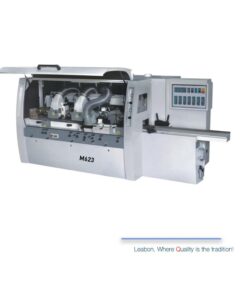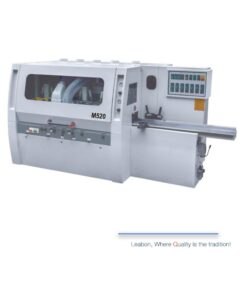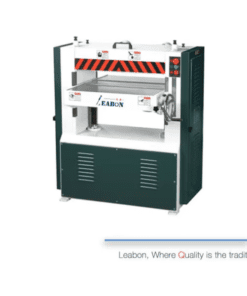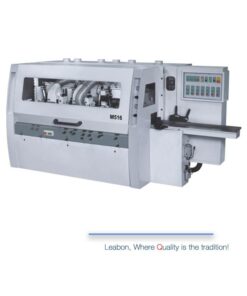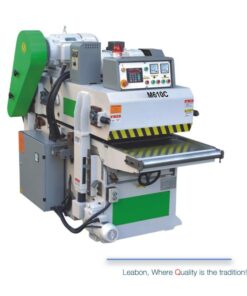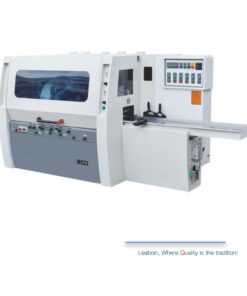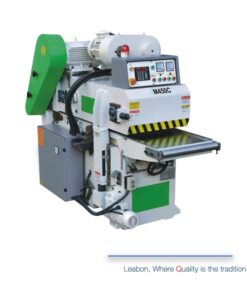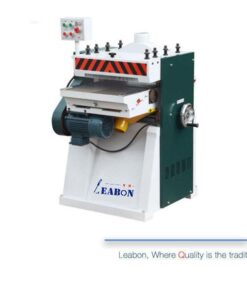
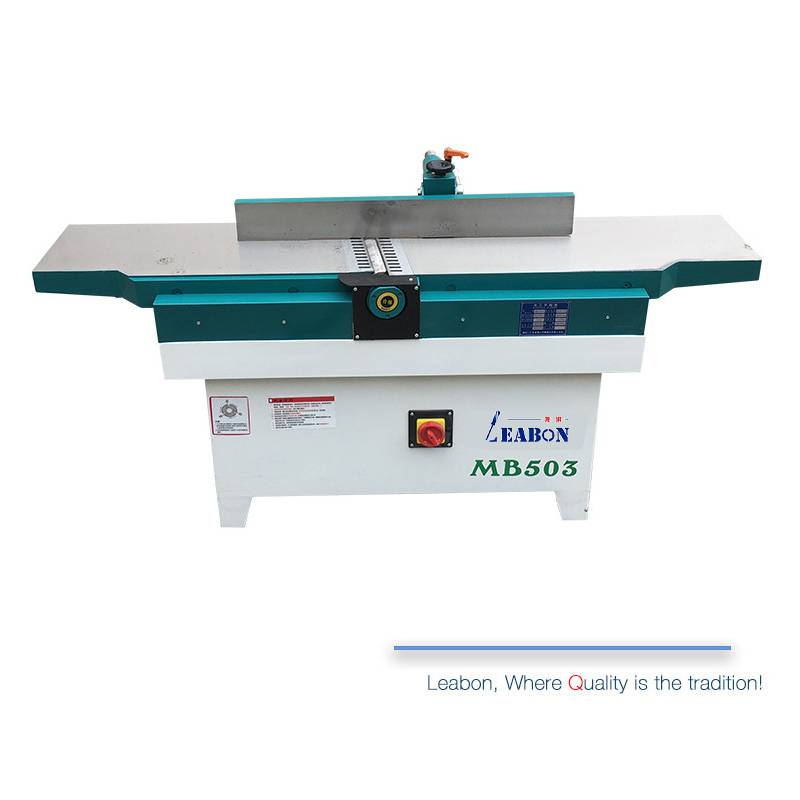
Product Features
1,Machine is equipped with an upgraded version of the motor, the motor cooling effect is good, the power is higher than the ordinary motor. 2,Worktable is made of high-strength operation and has high strength and no deformation. 3,The structure is stable and durable, precision saw card, stable material. 4,Emergency stop button, you can stop the machine immediately in an emergency. 5,The cutting is smooth and smooth, and the cutting surface is smoother.
Details Images
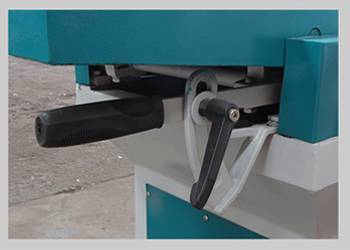
Lifting system
Both worktables are equipped with lifting handles, which are convenient to operate.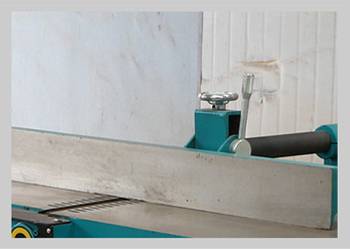
Baffle
Aluminum alloy baffle, adjustable tilt, easy to use.
Switch
Rotary red switch, bright color and long service life.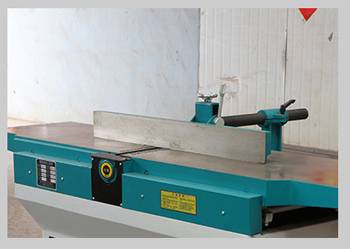
Working table
Cast iron workbench, the table top is finely ground as a whole, and the splicing effect is good.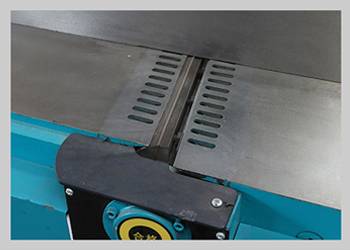
Lip plate
The rotation of the knife shaft is balanced, and the lip plate has a sound-absorbing hole to reduce noise.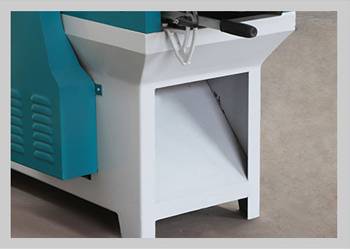
Dust outlet
The side inclined dust outlet is convenient for cleaning sawdust.OUR CERTIFICATES

How Planers and Moulders Work
A surface planer flattens one face and squares an edge; a thickness planer makes the board a consistent thickness; a four-side moulder (4-sided planer) joints, thicknesses and profiles all four sides in one pass using stacked cutterheads. They prepare rough sawn timber into smooth, dimensionally accurate stock ready for furniture and flooring.
Blade optional is spiral cutter. basic mode is a flat cutter spindle.
Frequently Asked Questions
- Q: What is the difference between a planer and a moulder?
- A: A planer squares and thicknesses flat stock; a four-side moulder also cuts decorative or functional profiles (bead, tongue-and-groove) on all sides in a single pass.
- Q: What wood can a planer or moulder process?
- A: Softwood and hardwood solid timber; max width and thickness vary by model — confirm the working size on the spec sheet.
- Q: Why use a four-side moulder instead of a separate planer?
- A: It joints, thicknesses and profiles in one setup, holding tolerances tight and raising output for flooring, skirting and mouldings.
- Q: How fine a surface finish do they give?
- A: With sharp blades and correct feed speed they leave a smooth, ready-to-finish surface; spiral/helical cutterheads reduce tear-out on figured wood.
- Q: What is the typical working width?
- A: Bench planers start around 300 mm; industrial moulders run 200–600 mm wide — pick to match your board sizes.
- Q: Do planers handle wet or green timber?
- A: They are built for seasoned timber; very wet or resinous wood dulls blades faster, so dry stock first.
Browse more Planer and Moulder Machine range, or contact Leabon for a confirmed quotation.