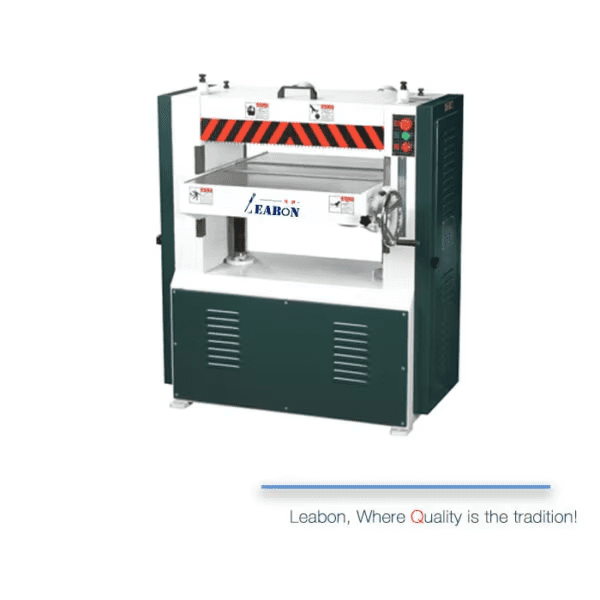
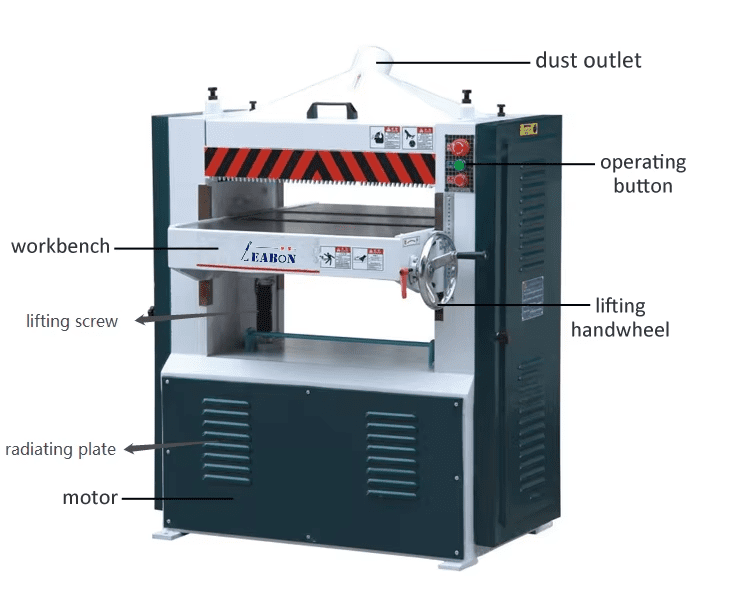
Product Features
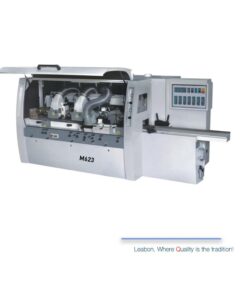
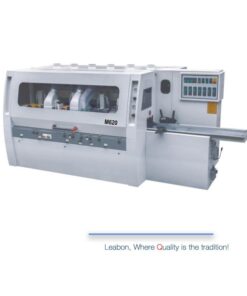
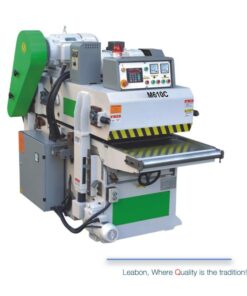
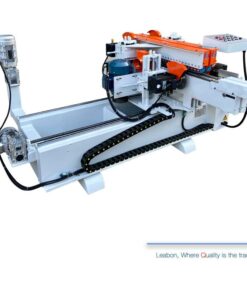
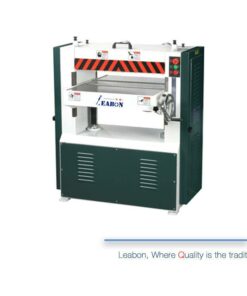
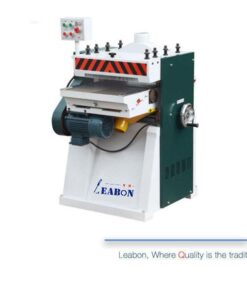
1.The wood planer uses a large workbench with solid wood support. After precision grinding and dynamic balance calibration, the operation is smooth. 2.The feeding end device is equipped with anti-rebound claws, which effectively avoids the danger of a workpiece rebound. 3.The feed tooth roller of wood thickness planer machine adopts a split structure, the thickness of the plate is adjustable, high speed and energy-saving, and it can be used continuously. 4.The integrated bed structure is not easy to deform and ensures long-term stability.
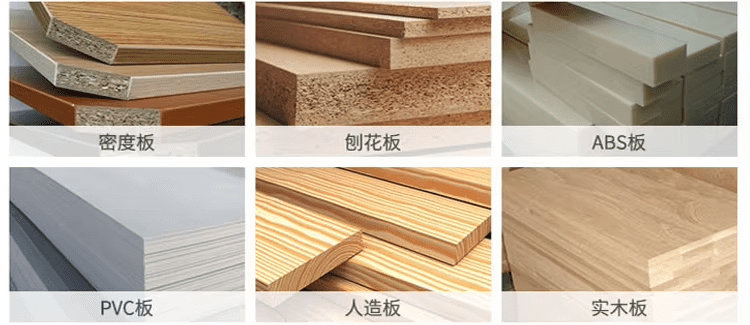
It is suitable for processing all kinds of density boards, particle boards, wood-based panels, ABS boards, PVC boards and solid wood and other boards with similar wood structure hardness.
Details Images
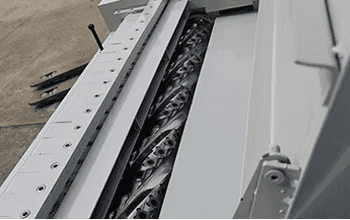
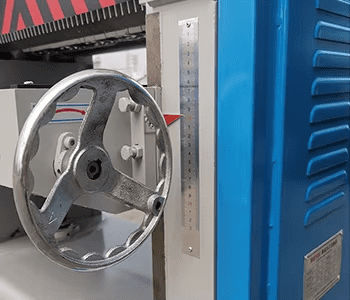
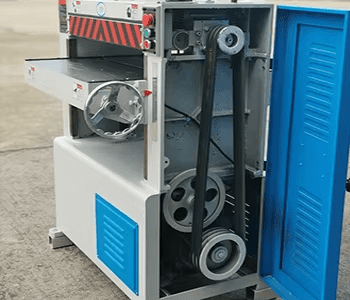
Our Certificate

How Planers and Moulders Work
A surface planer flattens one face and squares an edge; a thickness planer makes the board a consistent thickness; a four-side moulder (4-sided planer) joints, thicknesses and profiles all four sides in one pass using stacked cutterheads. They prepare rough sawn timber into smooth, dimensionally accurate stock ready for furniture and flooring.
Industrial Heavy-Duty Single Side Planer Thicknesser Simple Easy Operation Woodworking Surface Machine Featuring Straight Motor
Frequently Asked Questions
- Q: What is the difference between a planer and a moulder?
- A: A planer squares and thicknesses flat stock; a four-side moulder also cuts decorative or functional profiles (bead, tongue-and-groove) on all sides in a single pass.
- Q: What wood can a planer or moulder process?
- A: Softwood and hardwood solid timber; max width and thickness vary by model — confirm the working size on the spec sheet.
- Q: Why use a four-side moulder instead of a separate planer?
- A: It joints, thicknesses and profiles in one setup, holding tolerances tight and raising output for flooring, skirting and mouldings.
- Q: How fine a surface finish do they give?
- A: With sharp blades and correct feed speed they leave a smooth, ready-to-finish surface; spiral/helical cutterheads reduce tear-out on figured wood.
- Q: What is the typical working width?
- A: Bench planers start around 300 mm; industrial moulders run 200–600 mm wide — pick to match your board sizes.
- Q: Do planers handle wet or green timber?
- A: They are built for seasoned timber; very wet or resinous wood dulls blades faster, so dry stock first.
Browse more Planer and Moulder Machine range, or contact Leabon for a confirmed quotation.