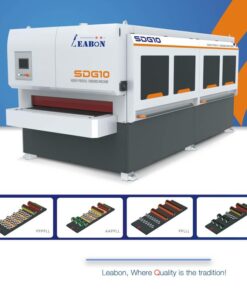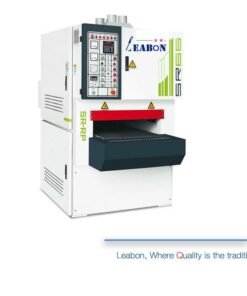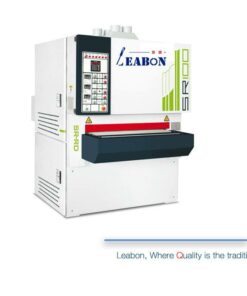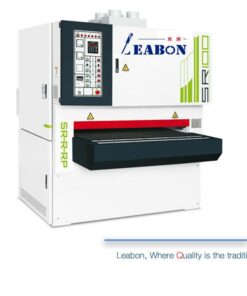

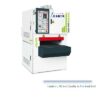

Intelligent Blast Sanding Machine P16 Features
>Environmental Protection
The dust sand separation is operated in conjunction with the abrasive re-recycling system. During the grinding process, part of the abrasive will become dust during the impact. The dust sand separation system uses negative pressure to recover dust, and the recovery rate can reach 99%. The shell is sealed with two layers to reduce dust leakage rate.>Energy Saving
When the dust is recovered. the abrasive falls into the sand storage tank under the action of gravity. The recovery system recovers and recycles It. The double filtration separation system consumes 2-3 bags of sand every 8 hours, while the others consume more than 4 bags every 8 hours.>Technological Intelligence
The spray gun rises and descends automatically, the polishing rod rises and descends automatically, and add sand automatically, which can effectively improve the efficiency and reduce the energy consumption. At the same time, grinding 5 surfaces can improve the efficiency by 10 times and reduce more than /U% of manpower.>Pervasive
Different wood, different paint, different technology, sanding effect is also brilliant. The grinding effect of inlaid and carved special-shaped parts is better, which can be polished in place once without subsequent grinding.

Independent Lifting Control Adjustment System

Dust Removal and Polishing System

Double Sand And Dust Separation System Automatic Sand Addition

Adjustable Air Pressure

PLC, Touch Screen HMI

Belt Conveyor (Optional)
How a Brush Sanding Machine Works
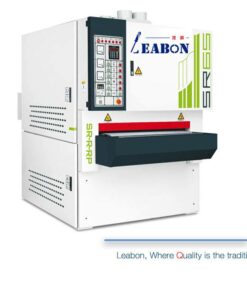
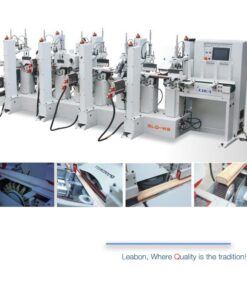
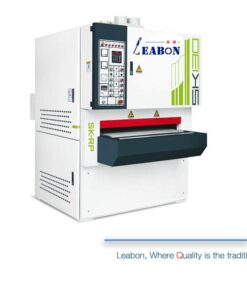
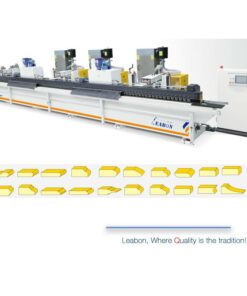
A brush sander spins abrasive brushes that flex into profiles, edges and carved surfaces, sanding shapes a flat belt cannot reach. It is used after machining or before finishing to de-nib and smooth contoured parts.
One-time solution for incomplete sanding and to achieve the perfect sanding effect of shaped parts. Solid wood doors, cabinet doors, bathroom panels, line conditions, whole house customization, panel furniture and other multi-faceted and profiled surface sanding operations.
Frequently Asked Questions
- Q: What is a brush sander used for?
- A: It sands profiled, edged and carved surfaces that flat sanders miss, and de-nibs before finishing.
- Q: What is the difference from a wide belt sander?
- A: Brushes follow contours; a wide belt only flattens faces.
- Q: What materials can it sand?
- A: Wood, MDF and painted or veneered profiles up to the machine’s capacity.
- Q: Can it sand lacquered parts?
- A: Yes — fine brushes de-nib cured coating; pair with a lacquer sander for polishing.
- Q: Does it need dust extraction?
- A: Yes — connect it to a dust collector for a clean, safe shop.
- Q: Is training included?
- A: Yes — setup guidance, operation training and spare-part support are provided.
Browse more Brush Sanding Machine range, or contact Leabon for a confirmed quotation.