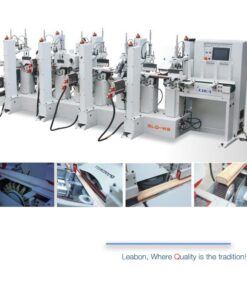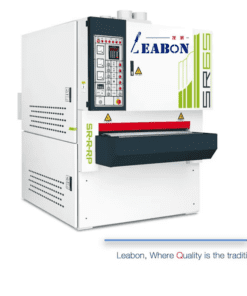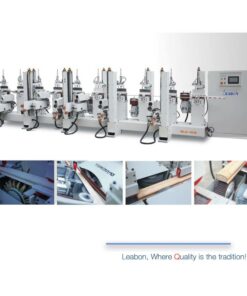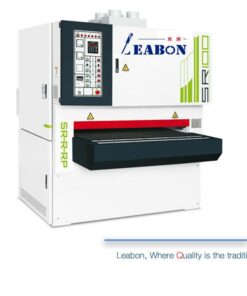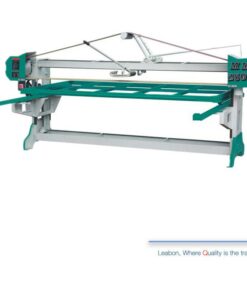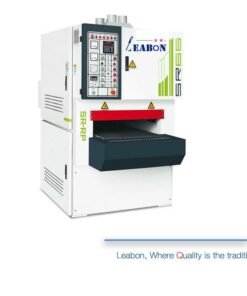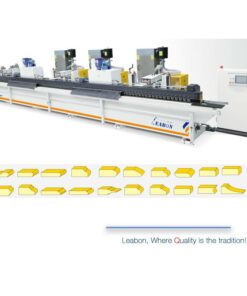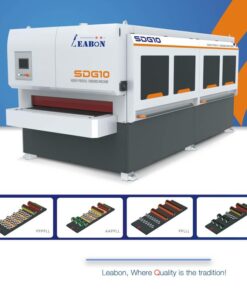
Edge Milling and Sanding Machine Features

Edge Profiling Intelligent Tracking Data Storage Multi Functional
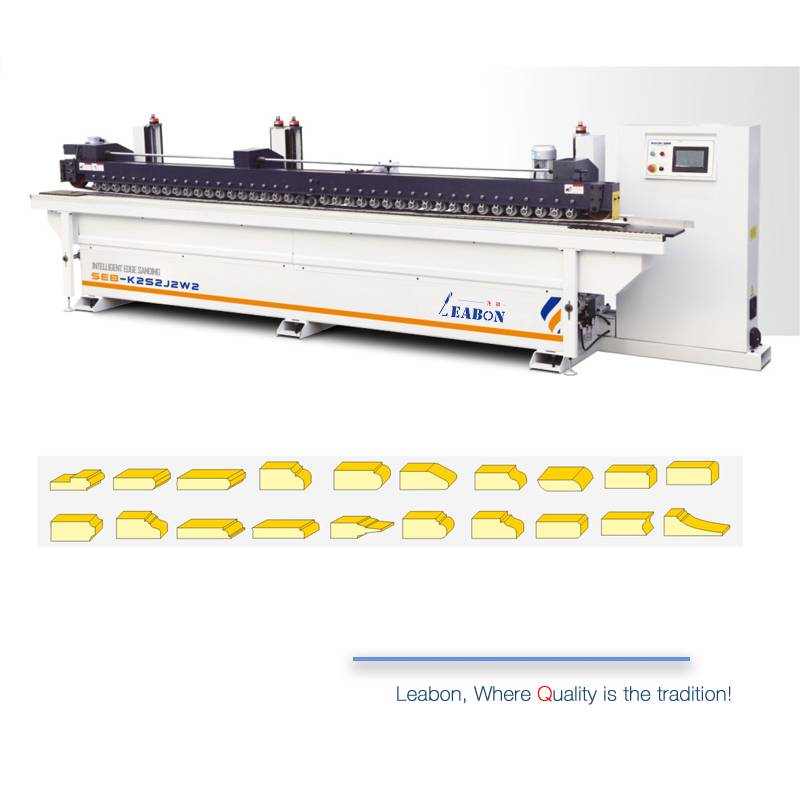
According to the requirements of different processing techniques, various milling heads and sanding heads can be arranged in various configurations. Each milling head and sanding head adopts frequency conversion speed regulation, which is suitable for different process requirements. This machine adopts touch screen man-machine interface, PLC program control, independent variable frequency speed regulation for each working group, and the operation is simple and convenient. The sand frame can be adjusted from -45 degrees to +90 degrees, suitable for edge straight contouring sanding at a certain angle; Electric three-dimensional adjustment of each milling head and all kinds of sanding head angle, the machine is easy and convenient. The pressing device adopts aluminum alloy pressure beam and never deforms, spring load and 68mm seamless wide belt, which is reliable and does not hurt the workpiece. The track adopts chain conveying, frequency conversion speed regulation and cylindrical guide rail guiding, and the feeding ability is strong, stable and reliable。Combination of Various Sanding and Polishing Heads

How an Edge Sander Works
An edge sander uses a belt on a contoured platen or oscillating head to sand panel edges, curves and profiled surfaces that a wide belt sander cannot reach, giving clean, coat-ready edges on routed or shaped parts.
It is specially designed for all kinds of furniture, tables, chairs, coffee tables, kitchen cabinets, doors and other blanks, can mill and sand, polish the edge of the work pieces. It is highly targeted, easy to operate, and can be configured with different abrasives according to different process requirements.
Frequently Asked Questions
- Q: What is an edge sander used for?
- A: It sands straight and curved panel edges, profiles and shaped parts before finishing.
- Q: What is the difference from a wide belt sander?
- A: A wide belt sands flat faces; an edge sander follows edges, curves and profiles.
- Q: What materials can it sand?
- A: Wood, MDF and painted or veneered edges up to the machine’s capacity.
- Q: Is it good for curved parts?
- A: Yes — osciling and shaped-platen edge sanders follow curves that flat sanders miss.
- Q: Does it need dust extraction?
- A: Yes — connect it to a dust collector for a clean, safe shop.
- Q: Is training included?
- A: Yes — setup guidance, operation training and spare-part support are provided.
Browse more Edge Sander range, or contact Leabon for a confirmed quotation.