

Details Images


OUR CERTIFICATES

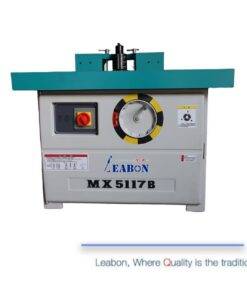
How a Drilling, Milling and Copying Machine Works
This machine drills, mills and copies shaped parts such as chair and table legs, rails and curved components. A template or copy follower traces the profile while spindles cut it, so identical shaped parts are produced repeatably without CNC programming for simple profiles.
The operator only needs to be responsible for simple loading of materials. The outfeed is automated and one person can operate 5-8 units at the same time, reducing labor intensity, making it safe, efficient and labor-saving.
Frequently Asked Questions
- Q: What is a drilling, milling and copying machine used for?
- A: It makes repeated shaped wood parts — chair legs, rails, balusters and curved components — by copying a template.
- Q: Do I need CNC programming for copying?
- A: Simple profiles run from a physical template with a copy follower; CNC versions handle complex, programmed shapes.
- Q: What materials can it machine?
- A: Solid wood and some MDF/composite blanks sized to the machine’s capacity; confirm max length and section.
- Q: How consistent are copied parts?
- A: The template fixes the shape, so every piece matches within machining tolerance — ideal for sets of furniture.
- Q: What is the difference from a CNC router?
- A: A copy machine repeats a traced profile quickly and cheaply; a CNC router cuts any programmed 2D/3D shape but needs CAD/CAM setup.
- Q: What is the typical output?
- A: Several to dozens of parts per hour depending on complexity and whether it is single- or multi-spindle.
Browse more Drilling, Milling and Copying Machine range, or contact Leabon for a confirmed quotation.