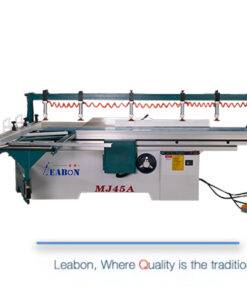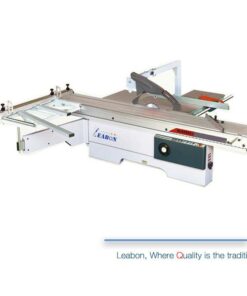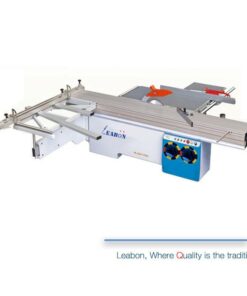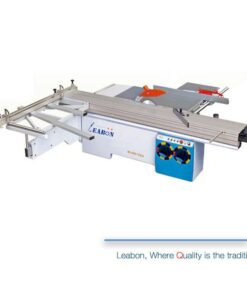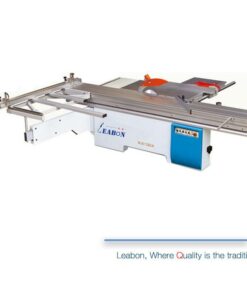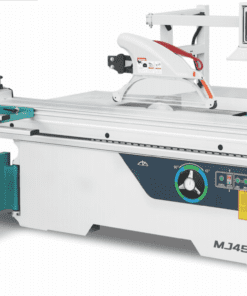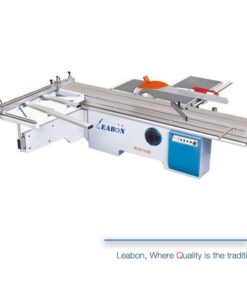

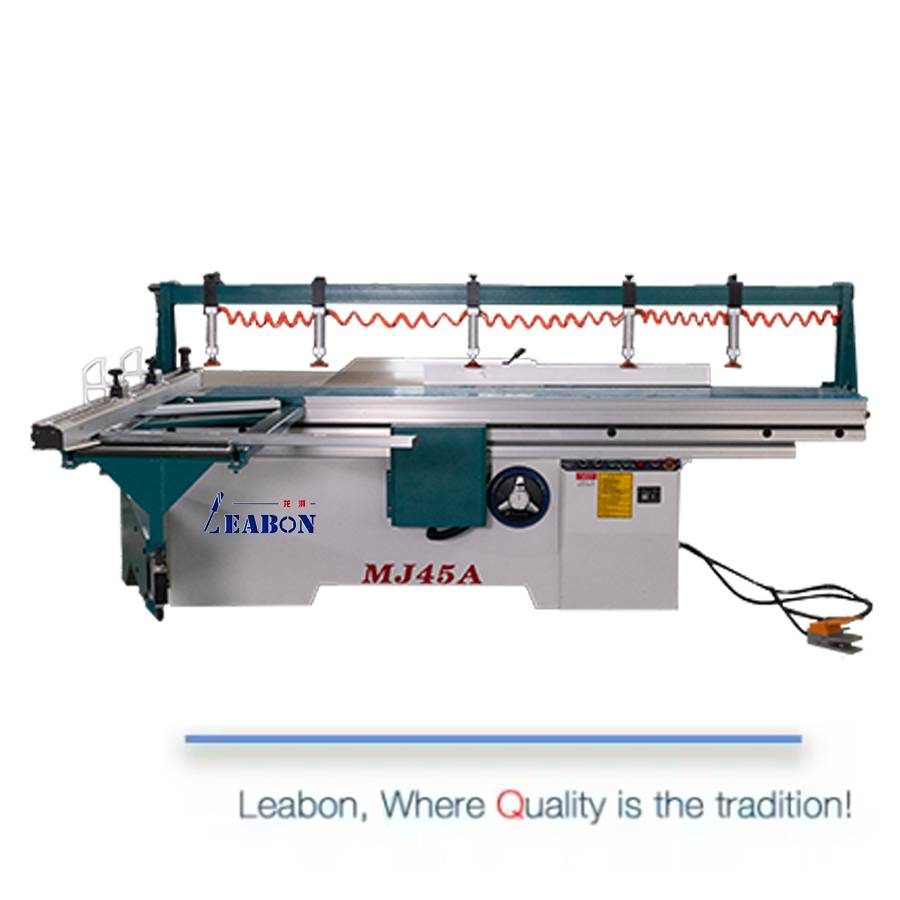
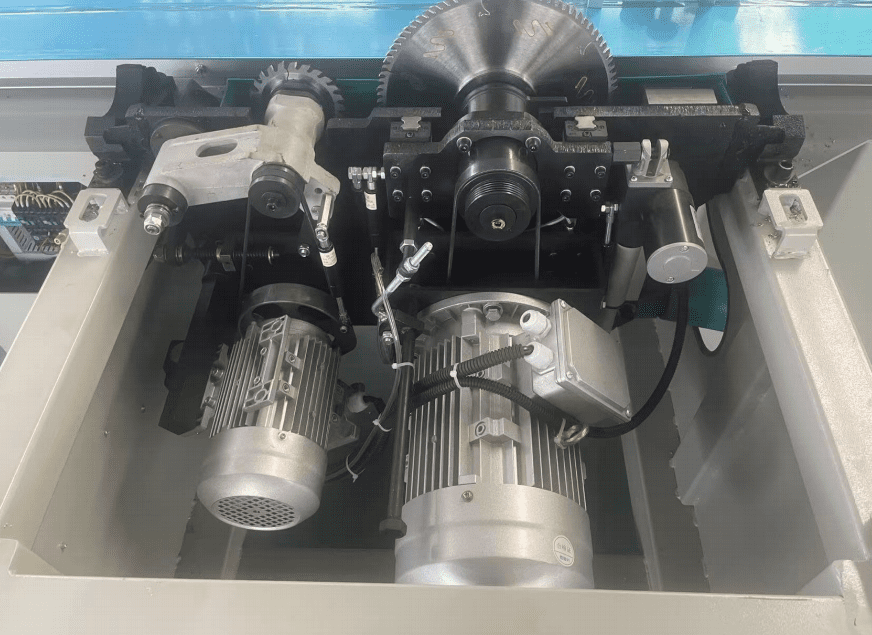
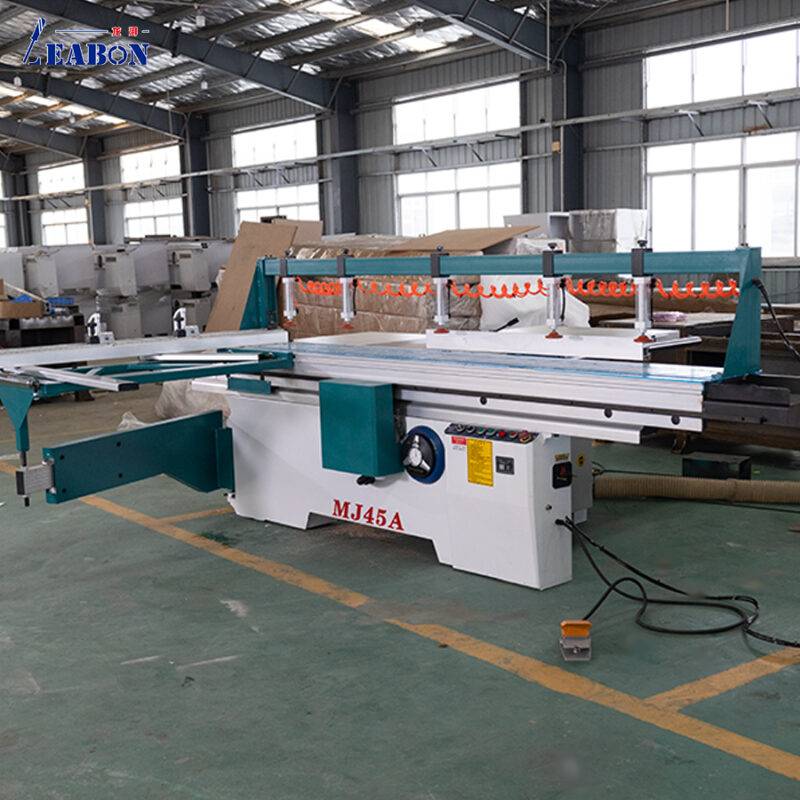
Machine Appearance Constructed with a square steel frame and 4mm body panels, the machine features a 2000mm-long body with laser-cut precision; the thickened and extended structure ensures cutting accuracy and extends the machine’s service life.
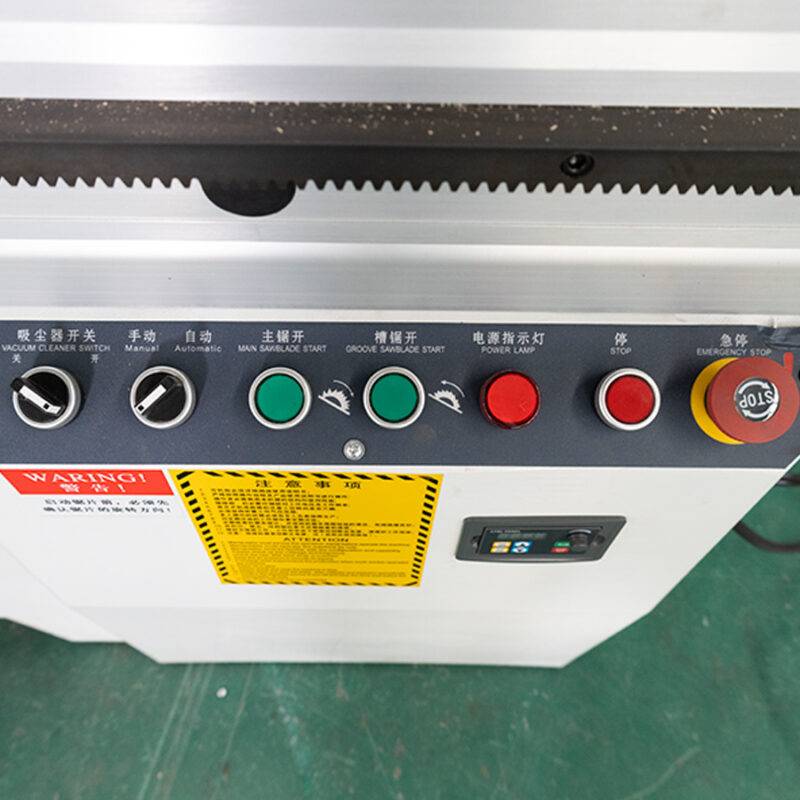
Control panel It features a dust-proof switch with integrated vacuum control, allowing for easy operation of the dust extraction system. The saw blade utilizes pneumatic lifting, which saves time compared to traditional manual lifting methods.
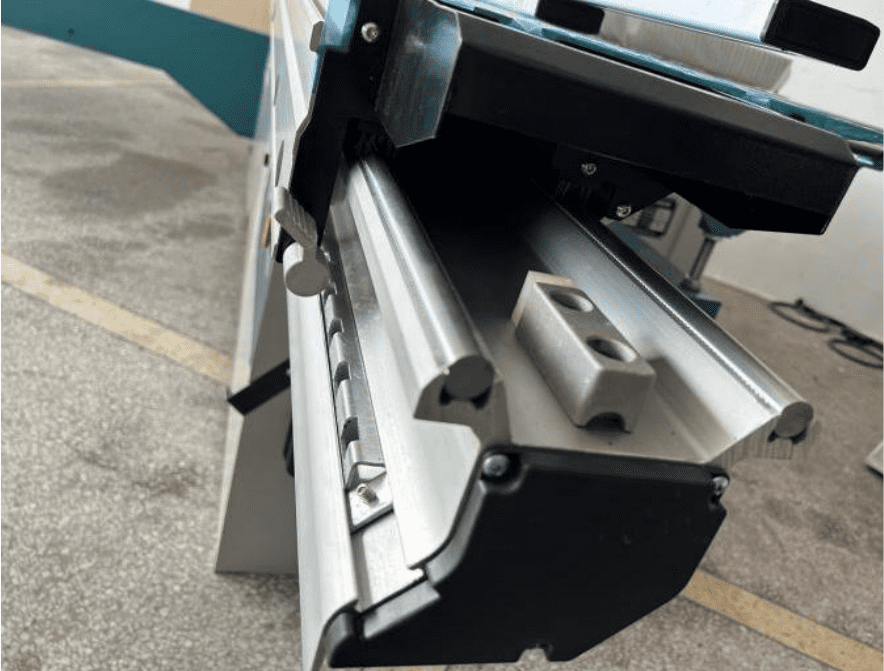
Sliding Table Configuration The machine utilizes a sliding table equipped with a European-style, dual-layer, dual-track round rod guide system, ensuring structural stability and high load-bearing capacity. It operates smoothly when cutting heavy panels, thereby guaranteeing precision. An external incremental locking mechanism allows the sliding table to be stopped at any position.
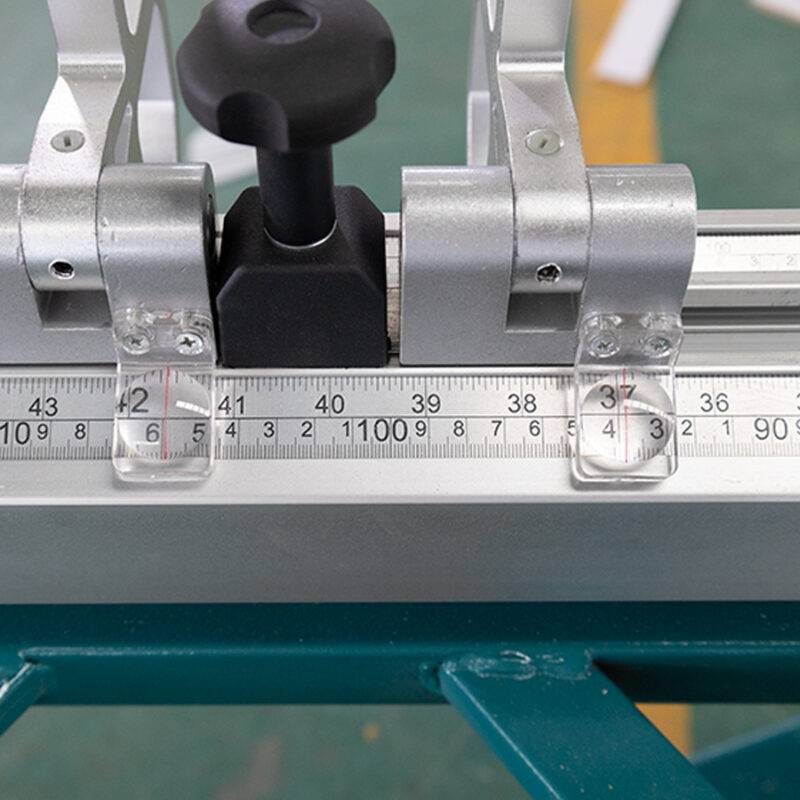
Large European-style aluminum ruler Features an 1800mm extended European-style aluminum fence equipped with a magnifying lens for stability and shift prevention; extendable design increases workspace; ensures high precision and clear visibility of materials while reducing physical effort.
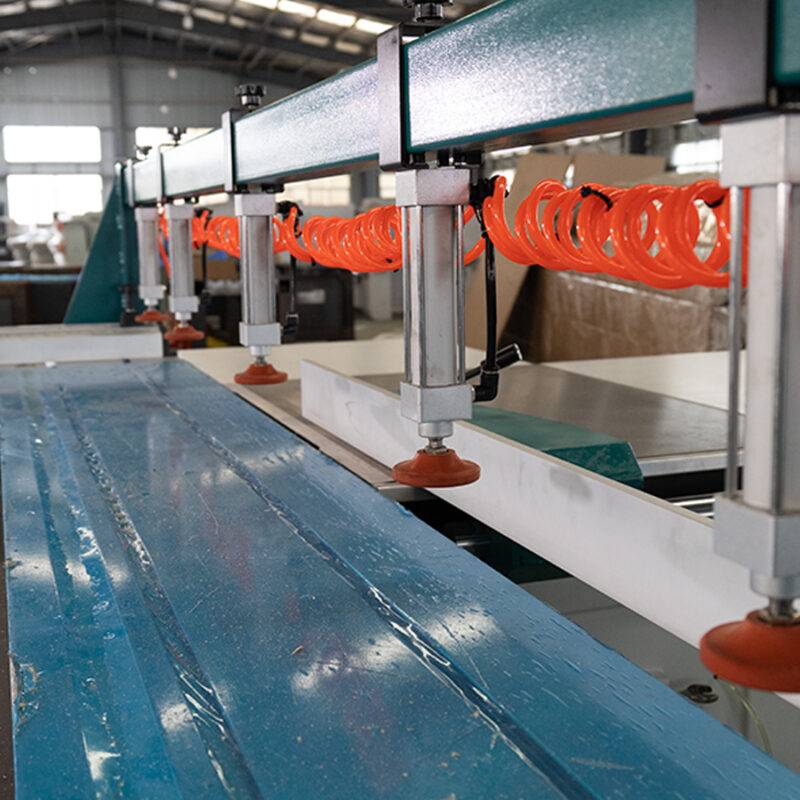
Hold-down device The hold-down assembly utilizes multiple cylinders or a segmented cold-drawn design; this eliminates the need for manual sheet support, as the hold-down function activates automatically via a foot pedal—ensuring safety, ease of operation, and high efficiency.
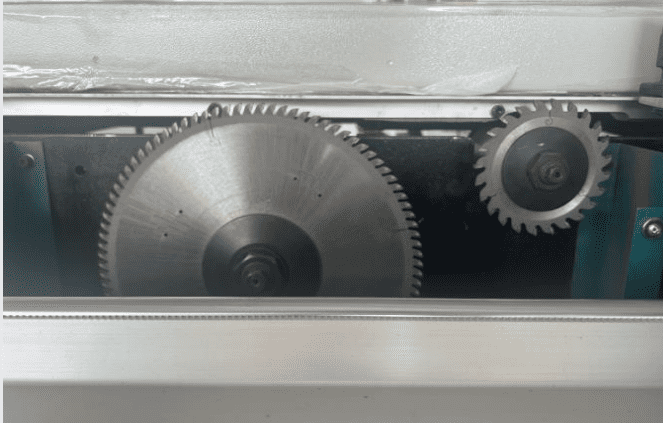
Double saw blade structure The dual-blade system features a configuration with a large main blade and a smaller scoring blade; the scoring blade makes an initial cut, immediately followed by the main blade, which easily cuts the panel with high precision while preventing edge chipping and burrs.
Automatic manual model
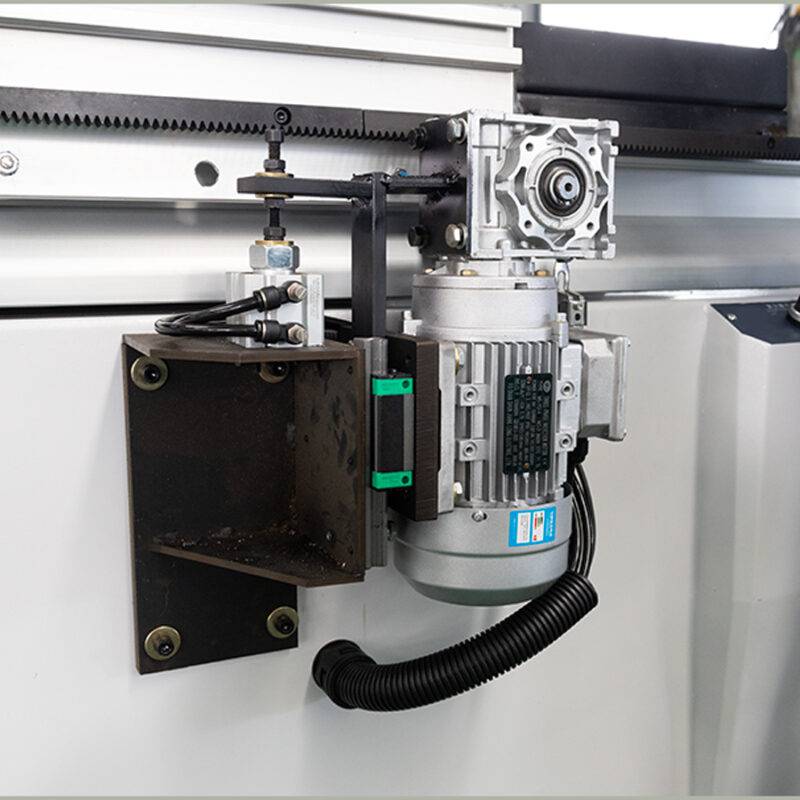
The sliding table is driven by a motor; pressing the foot pedal triggers automatic movement, while the saw blade rises to perform the cut. Equipped with a variable frequency drive (VFD), the feed speed can be adjusted based on board thickness, allowing for effortless cutting of both thick and thin materials; the system also supports automatic operation. Manual and automatic modes can be freely switched.
How a Manual Panel Saw Works
A manual (sliding or beam) panel saw guides a circular blade along a fence or sliding carriage to cut sheet goods into accurate rectangles. The operator pushes the carriage or panel; the rigid guide keeps the cut square and safe for MDF, plywood and particleboard.
MJ45A Manual Panel Saw is engineered for precise cutting of particleboard, PVC board, solid wood, acrylic, honeycomb aluminum composite and similar sheet materials. With stable sliding rails, pressing part for safe cutting, smooth sawing action and adjustable cutting angles, it is an ideal helper for furniture workshops, cabinet makers and panel-processing factories looking for reliable…
Frequently Asked Questions
- Q: What is a manual panel saw used for?
- A: It sizes MDF, plywood, particleboard and melamine sheets into panels for cabinets and furniture.
- Q: What is the difference between a sliding and a beam saw?
- A: A sliding table saw moves the panel past a fixed blade; a beam saw moves the blade carriage across a stationary panel — beam saws suit higher volume.
- Q: How accurate are the cuts?
- A: Rigid fences and guides hold square, repeatable cuts to sub-millimetre tolerance for flat-pack work.
- Q: What panel size can it cut?
- A: Standard 1220 × 2440 mm (4 × 8 ft) sheets; larger tables are available for oversize panels.
- Q: Is a manual panel saw safe?
- A: Blade guards, riving knives and push sticks are standard; keep guards fitted and never reach past the blade.
- Q: Can it handle melamine without chipping?
- A: Yes — a fine panel blade and scoring option (on beam saws) give clean, low-chip edges on melamine.
Browse more Manual Panel Saw range, or contact Leabon for a confirmed quotation.