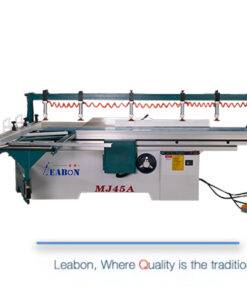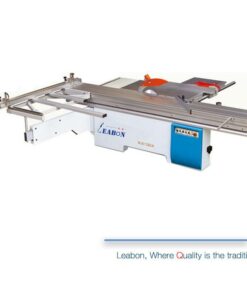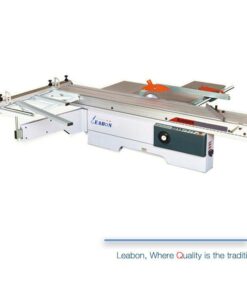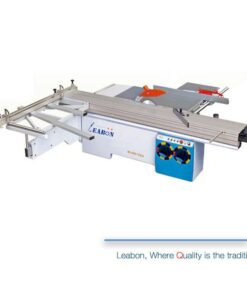
How a Manual Panel Saw Works
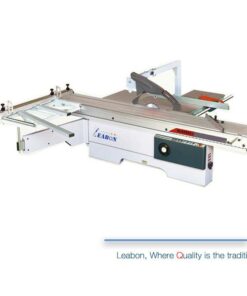
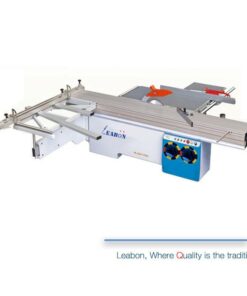
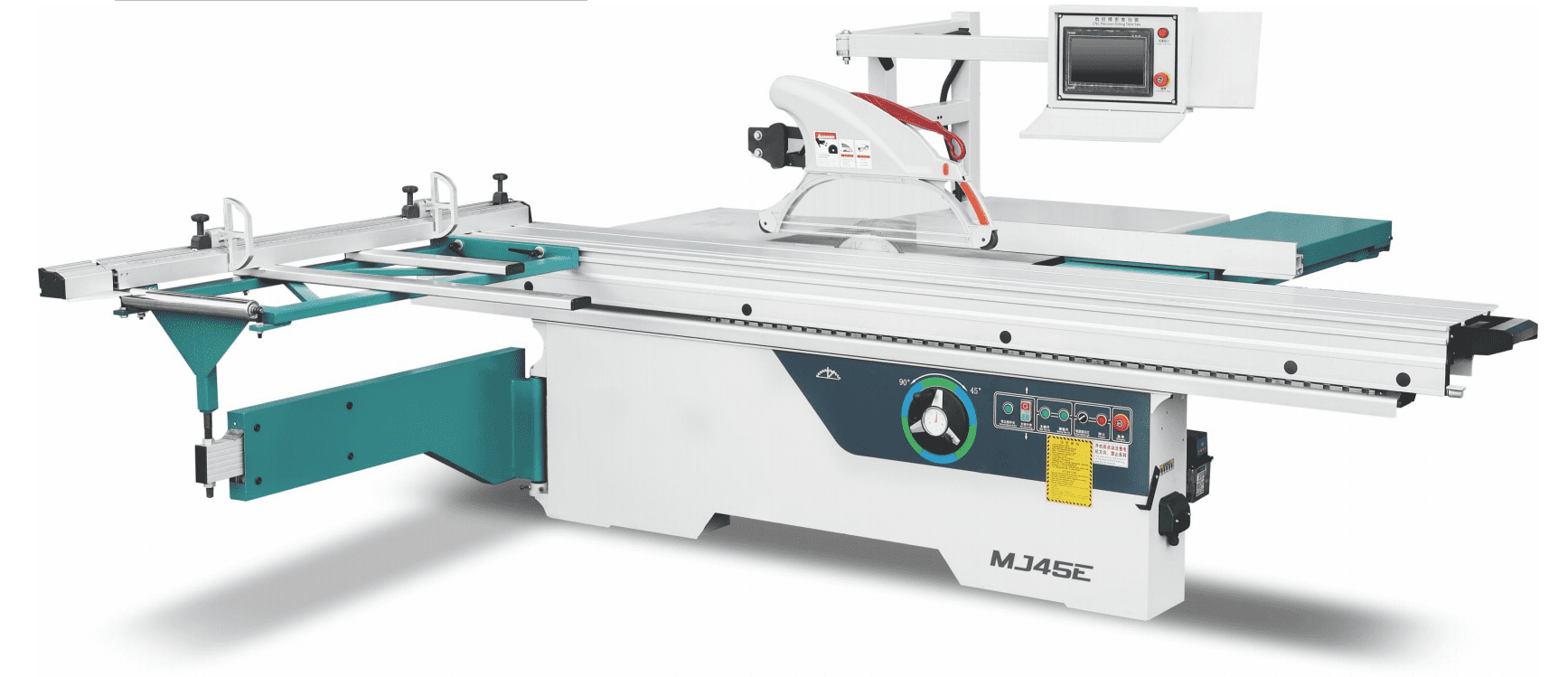
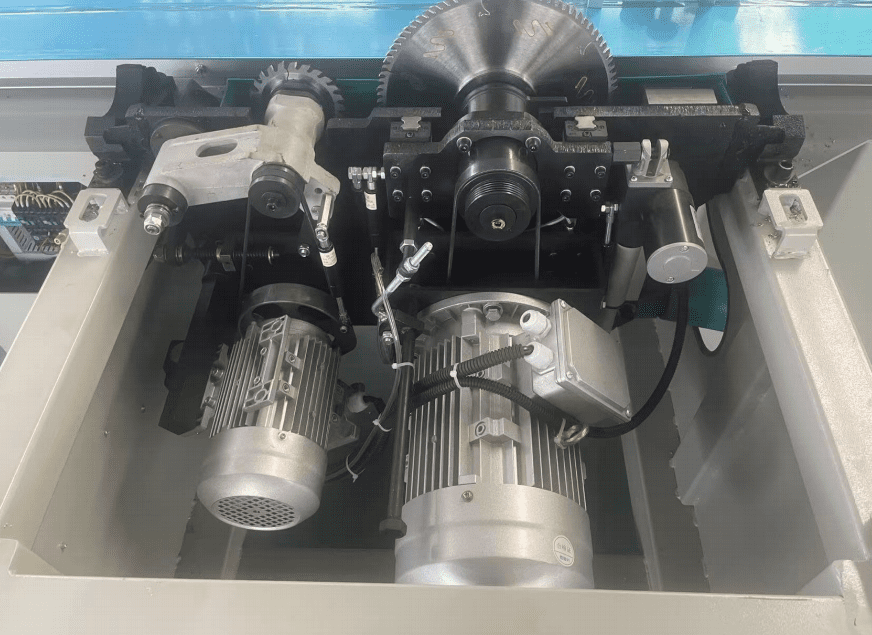
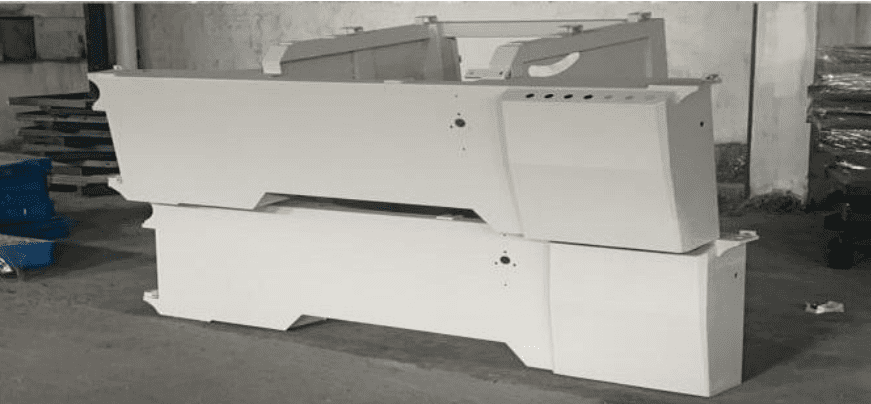
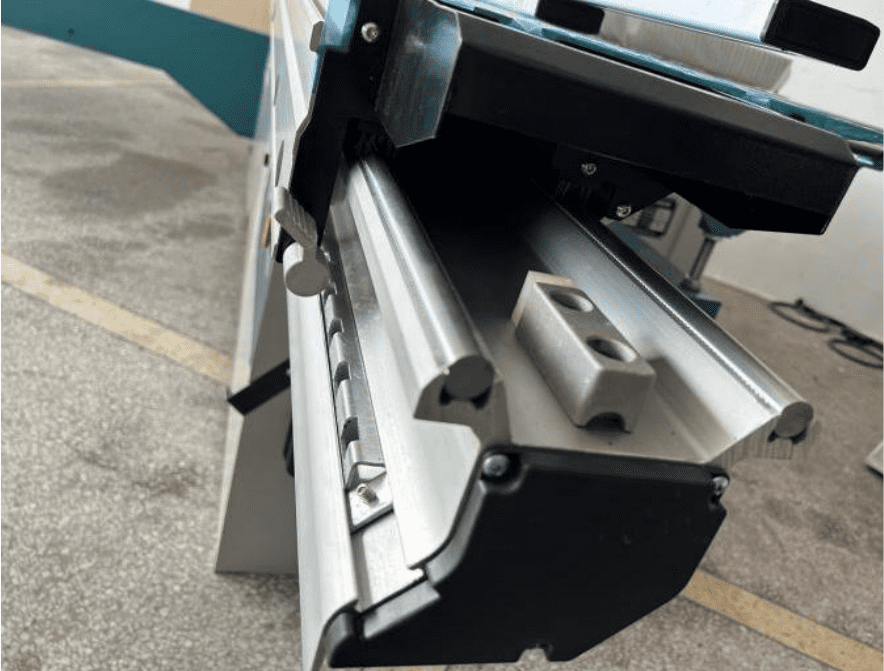
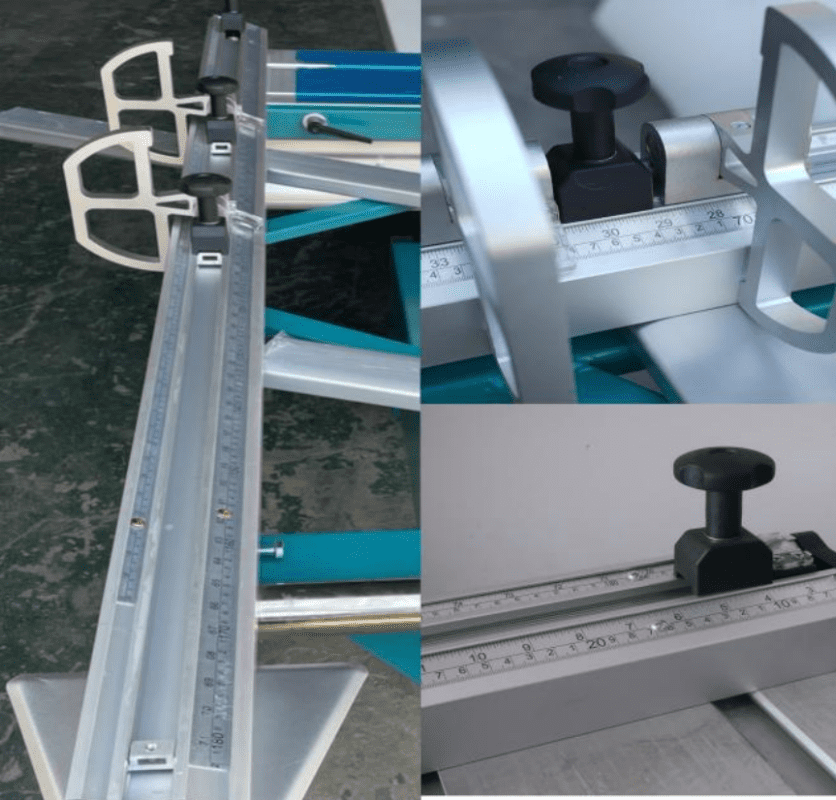
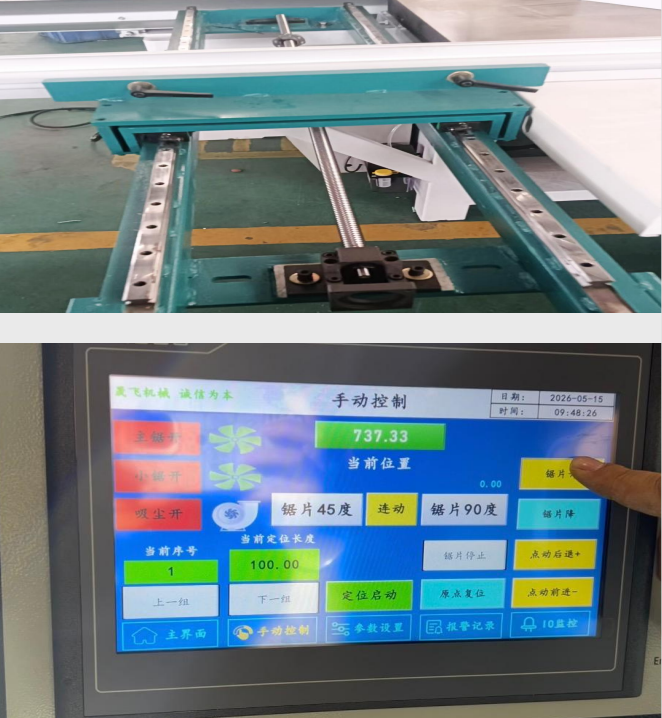
A manual (sliding or beam) panel saw guides a circular blade along a fence or sliding carriage to cut sheet goods into accurate rectangles. The operator pushes the carriage or panel; the rigid guide keeps the cut square and safe for MDF, plywood and particleboard.
This machine is suitable for cutting particleboard, PVC plate, solid wood plate, artificial plate, acrylic plate, honeycomb aluminum plate and other similar plate, try a wide range, is your plate cutting, furniture making good helper
Frequently Asked Questions
- Q: What is a manual panel saw used for?
- A: It sizes MDF, plywood, particleboard and melamine sheets into panels for cabinets and furniture.
- Q: What is the difference between a sliding and a beam saw?
- A: A sliding table saw moves the panel past a fixed blade; a beam saw moves the blade carriage across a stationary panel — beam saws suit higher volume.
- Q: How accurate are the cuts?
- A: Rigid fences and guides hold square, repeatable cuts to sub-millimetre tolerance for flat-pack work.
- Q: What panel size can it cut?
- A: Standard 1220 × 2440 mm (4 × 8 ft) sheets; larger tables are available for oversize panels.
- Q: Is a manual panel saw safe?
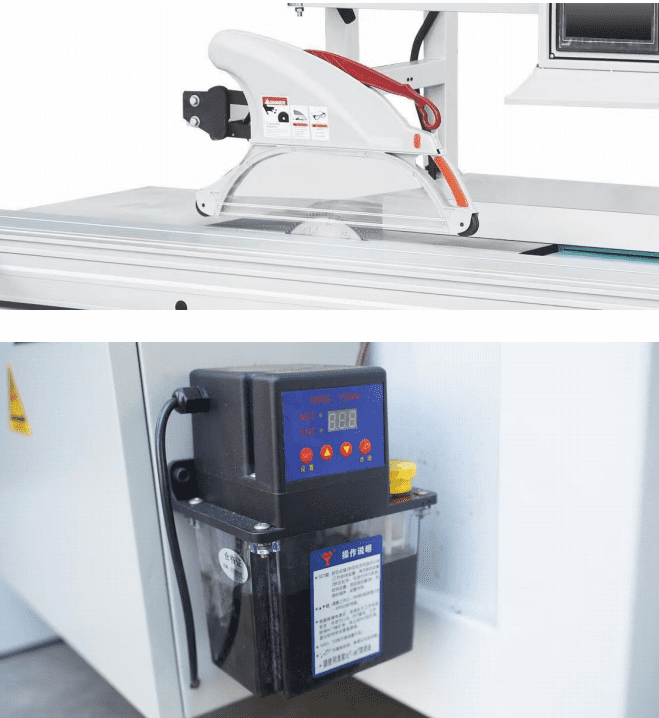
- A: Blade guards, riving knives and push sticks are standard; keep guards fitted and never reach past the blade.
- Q: Can it handle melamine without chipping?
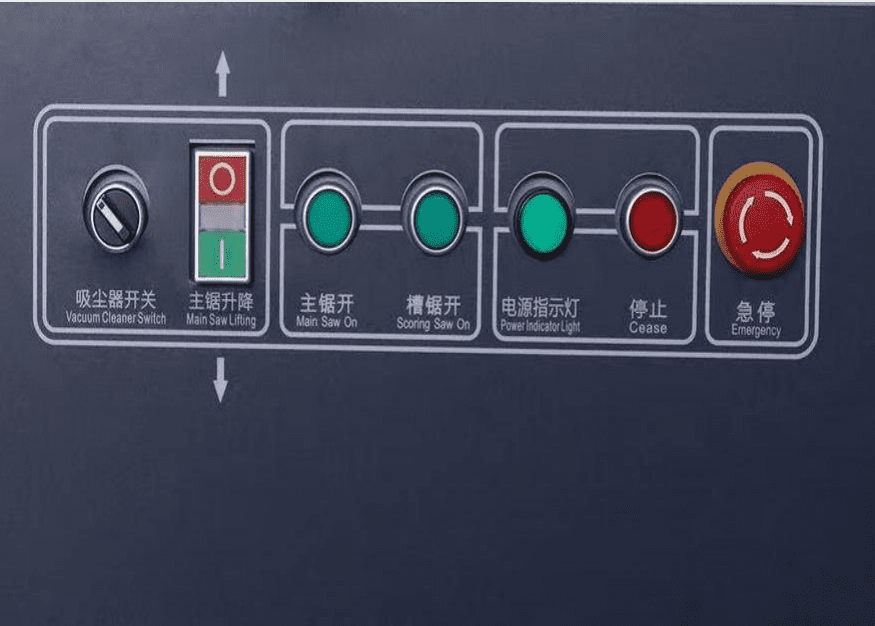
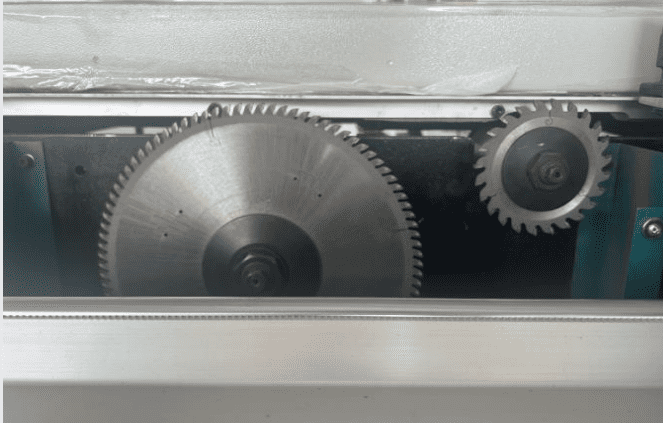
- A: Yes — a fine panel blade and scoring option (on beam saws) give clean, low-chip edges on melamine.
Browse more Manual Panel Saw range, or contact Leabon for a confirmed quotation.