

Glue Spreader Machine Main Features
PRODUCT DETAILS

Strong machine body detail and Prefect machine profile
To make sure the machine works well and gluing effect better.

Strong machine body
Our machine body plate is more thick than other’s.It makes the machine work stably.

Roller
The stainless steel roller is not easy to rust.

Roller
Our rubber roller adopts durable rubber.
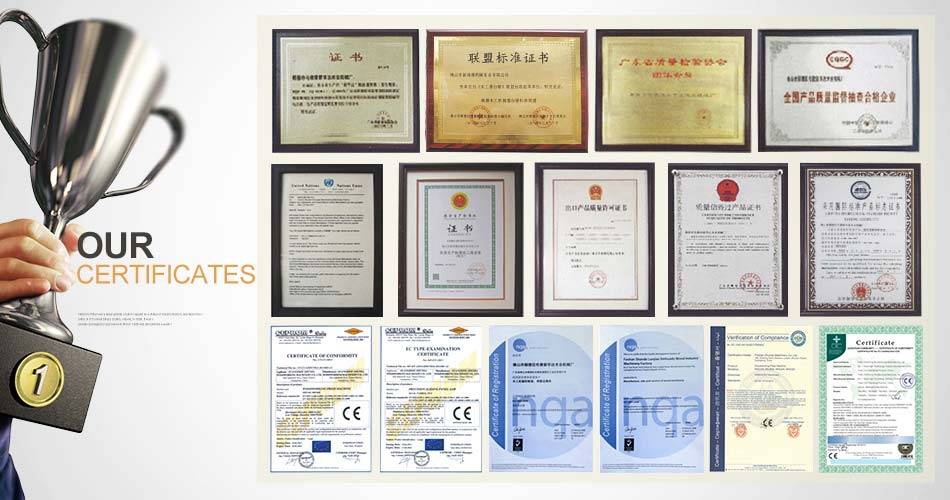
Our Certificates
How a Single Side Glue Spreader Works
- Load — the panel is fed into the machine on the transition structure.
- Pick up glue — the rubber roller turns through the stainless steel glue tank and lifts a film of glue.
- Transfer — the roller transfers that film evenly onto one face of the panel; surplus glue drains back into the tank.
- Outfeed — the glued panel goes straight into the press or laminating machine.
Single Side or Double Side?
TJ1350A applies glue to one face. Choose the single side machine when only one face of the board is laminated — for example PVC film or veneer applied to MDF or plywood where the reverse face stays as it is. Because only one face is glued, the machine is simpler and uses less glue.
If both faces must be glued in one pass, use the TJ1350B double side glue spreader machine instead.
Typical Applications
- Plywood and MDF lamination with PVC film and veneer
- Joint board, bamboo plywood and other man-made boards
- One-face veneering and film facing before pressing
Where the Glue Spreader Sits in the Line
A glue spreader is the machine that applies glue evenly immediately before pressing. It is used in front of:
- hot press
- cold press
- vacuum membrane press
- lamination machine and other laminating processes
Machine Details
- The collecting glue tank is made of stainless steel — it saves glue and is easy to clean
- Chain-type transition structure, which makes the machine work more stably and for a longer duration
- Protective grid and emergency stop buttons for safe, easy operation
- Rubber roller as standard; it can be changed to a stainless steel roller if you need
- The body plate is thicker than usual, so the machine works stably
- Gluing effect is uniform, which saves glue and time
How to Choose
Tell us the following and we will confirm the configuration:
- Board type, size and thickness
- Glue used, and the glue film thickness you need
- Whether one face or both faces must be glued
- Whether frequency control (inverter) speed adjustment or a stainless steel roller is required
- Your supply voltage and phase
Frequently Asked Questions
- Q: What is a glue spreader machine used for?
- A: It spreads glue evenly over a board surface immediately before pressing or laminating, so the glue film is uniform across the whole panel. It works in front of a hot press, cold press, vacuum membrane press or lamination machine.
- Q: Should I choose the single side or the double side glue spreader?
- A: Choose the single side machine (TJ1350A) when only one face of the board is laminated — it is simpler and uses less glue. Choose the double side machine (TJ1350B) when both faces must be glued in one pass, for example double-sided film or veneer lamination.
- Q: What materials can the TJ1350A process?
- A: It is mainly used for plywood and MDF lamination of PVC film and veneer. It also works for joint board, bamboo plywood and other man-made boards.
- Q: How does the machine save glue?
- A: The collecting glue tank is made of stainless steel, so surplus glue drains back into the tank and is reused, and the tank is easy to clean. The gluing effect is uniform, which also saves glue and time.
- Q: Do you provide installation, training and warranty?
- A: Yes. Leabon provides overseas on-site installation, operator training and a 12-month warranty with spare-parts support.
Browse more plywood and laminating auxiliary machines, or contact Leabon for a confirmed quotation.