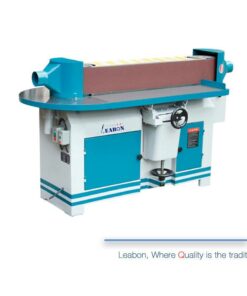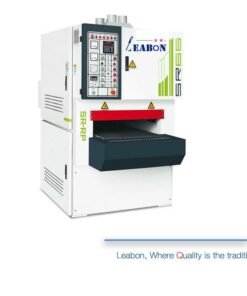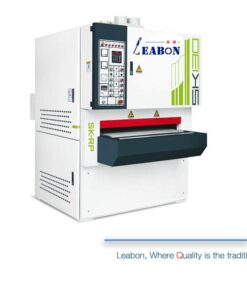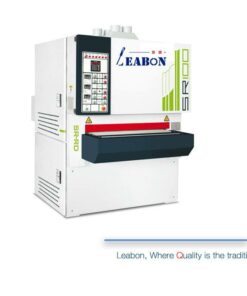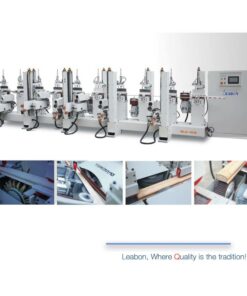


Vacuum Edge Spray Sanding Machine Features

Combination of Various Milling Head and Sander

How an Edge Sander Works
An edge sander uses a belt on a contoured platen or oscillating head to sand panel edges, curves and profiled surfaces that a wide belt sander cannot reach, giving clean, coat-ready edges on routed or shaped parts.
It is specially designed for all kinds of furniture, tables, chairs, coffee tables, kitchen cabinets, doors and other blanks, vacuum painting and sand, polish the edge of the work pieces. It is highly targeted, easy to operate, and can be configured with different abrasives according to different process requirements.
Frequently Asked Questions
- Q: What is an edge sander used for?
- A: It sands straight and curved panel edges, profiles and shaped parts before finishing.
- Q: What is the difference from a wide belt sander?
- A: A wide belt sands flat faces; an edge sander follows edges, curves and profiles.
- Q: What materials can it sand?
- A: Wood, MDF and painted or veneered edges up to the machine’s capacity.
- Q: Is it good for curved parts?
- A: Yes — osciling and shaped-platen edge sanders follow curves that flat sanders miss.
- Q: Does it need dust extraction?
- A: Yes — connect it to a dust collector for a clean, safe shop.
- Q: Is training included?
- A: Yes — setup guidance, operation training and spare-part support are provided.
Browse more Edge Sander range, or contact Leabon for a confirmed quotation.