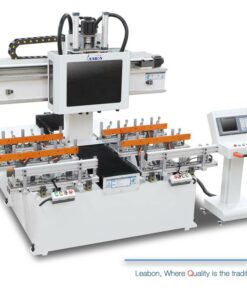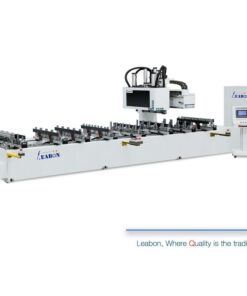


Features of CNC Tenoning Machine
- Automatic feeding and discharging, equipped with advanced numerical control system, simple and easy operation, high degree of automation, high production efficiency, processing efficiency up to 22/min.
- The two ends are automatically clamped and positioned synchronously, which is efficient and accurate, and reduces the labor intensity of workers.
- The fully enclosed hood structure adopts centralized dust removal Desai, with less external dust, clean and environmentally friendly.
- Separation of man and knife to effectively prevent accidents at work.
PARTS PICTURES

Automatic feeding mechanism.

Automatic unloading mechanism.

Servo control width adjustment.

Electronic hand wheel, adjust the machine quickly and easily.

Horizontal swing angle function.

Vertical swing angle function.

Taiwan CNC system, Taiwan Delta inverter (optional).

Taiwan Delta drive system, imported electrical components (optional).

CNC intelligent large size touch screen.
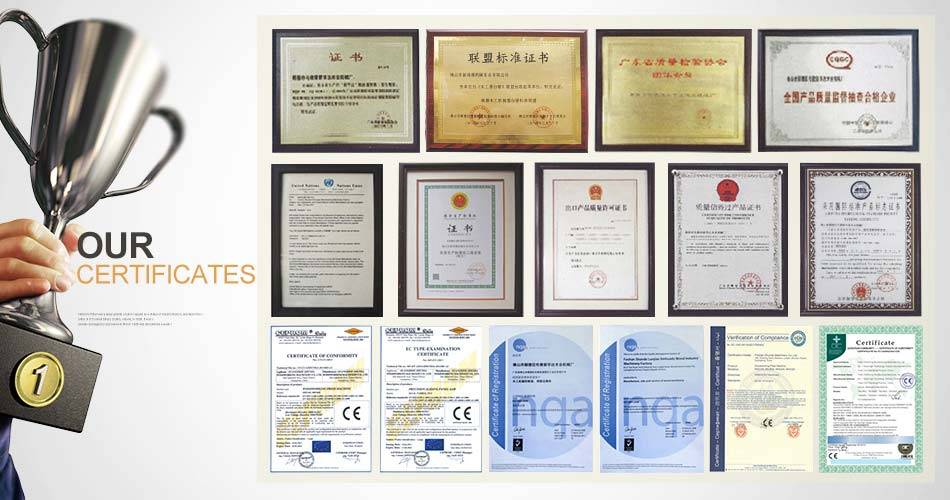
OUR CERTIFICATES
How a Mortise and Tenon Machine Works
A mortise and tenon machine cuts the interlocking joint used in chairs, tables and frames: one station chisels the mortise (hole) while another forms the tenon (tongue) on the rail end, so parts assemble square and strong without metal fixings.
Woodworking CNC Tenoning Machine That Precisely Controls and Processes Various Tenons It can process tenons of various shapes such as square. Rectangle, waist circle, oblique tenon, etc.
Frequently Asked Questions
- Q: What is a mortise and tenon machine used for?
- A: It cuts mortise-and-tenon joints for chairs, tables, doors and frames — the classic strong wood joint.
- Q: Does one machine cut both mortise and tenon?
- A: Combined machines cut both in one setup; some shops use a dedicated tenoner and a mortiser.
- Q: What wood sizes can it joint?
- A: Rail and leg sections up to the machine’s capacity; confirm max tenon length and mortise depth on the spec sheet.
- Q: How accurate are the joints?
- A: Fixed jigs and stops hold the joint square and repeatable, so assembled frames stay true.
- Q: Is it faster than hand cutting?
- A: Far faster and more consistent — dozens of joints per hour versus hand work.
- Q: Is training included?
- A: Yes — setup guidance, operation training and spare-part support are provided.
Browse more Mortise and Tenon Machine range, or contact Leabon for a confirmed quotation.