
The manufacturing of panel furniture—such as wardrobes, kitchen cabinets, and office desks—relies heavily on a sequence of specialized woodworking machines. Unlike solid wood processing, panel processing focuses on precision sizing, edge banding, and boring, all requiring high-speed, high-accuracy equipment. Below is a concise overview of the key machinery involved in a typical production line.
1. Panel Sizing & Cutting
-
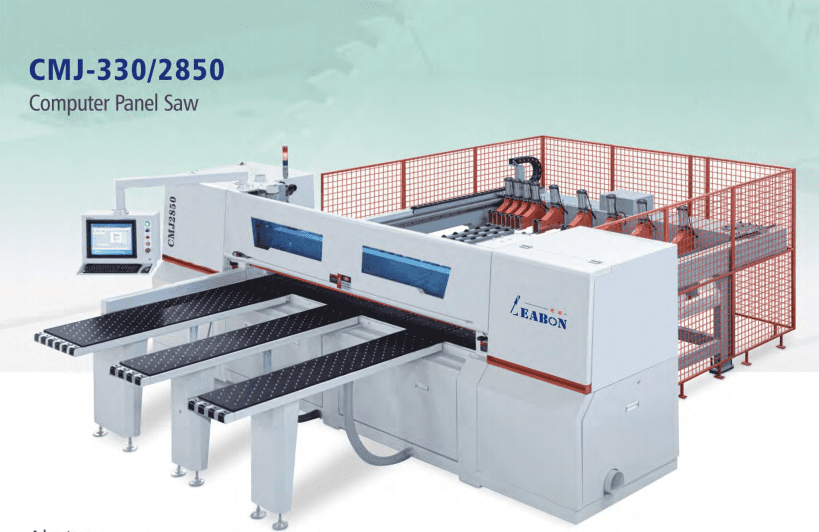
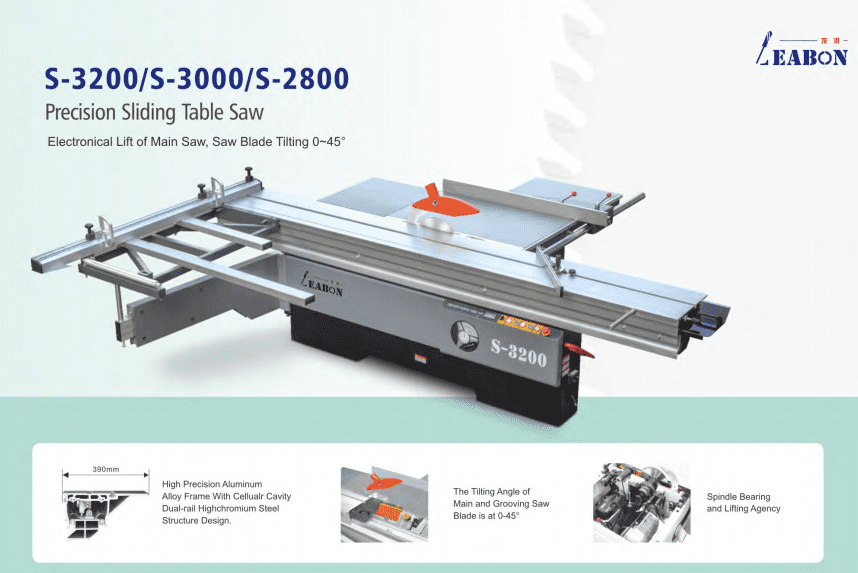
Panel Saw (Sliding Table Saw / CNC Beam Saw): This is the primary machine for cutting raw panels (particleboard, MDF, or plywood) into required sizes. CNC beam saws offer automated programming for nested cutting, optimizing material yield and reducing waste. The sliding table saw provides flexibility for small-batch or custom cuts.
2. Edge Banding
-
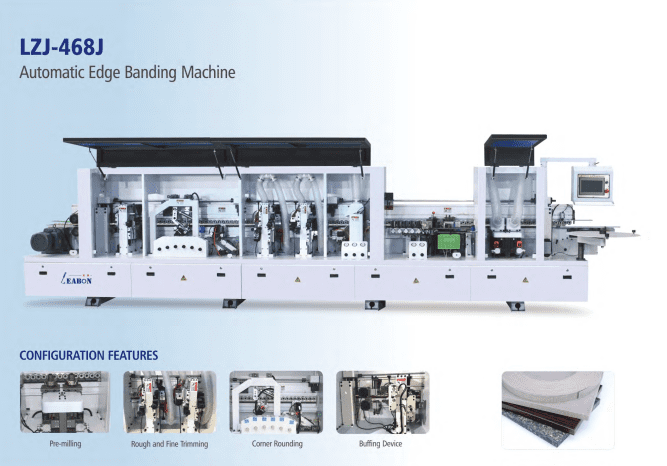
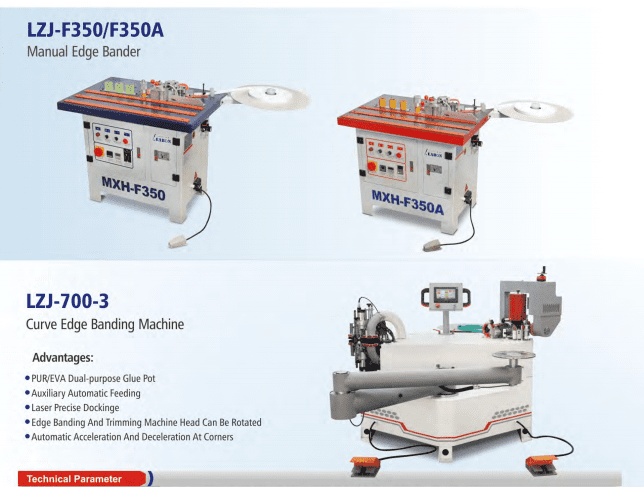
Edge Banding Machine: This machine applies edging materials (PVC, ABS, wood veneer, or melamine) to the cut panels’ exposed sides. A fully automatic edge banding machine performs a complete sequence: gluing, pressing, trimming flush ends, and scraping excess adhesive. For high-end finishes, it may also include buffing units to polish the edge surface.
3. Drilling & Doweling
-
CNC Drilling Machine (Point-to-Point Boring): This machine drills holes for hardware connections, dowels, and shelf supports. Modern CNC drilling centers can process multiple panels simultaneously from both vertical and horizontal directions, ensuring exact alignment for assembly.
-
Dowel Inserter (optional): Automatically inserts wooden dowels into pre-bored holes, speeding up the assembly process.
4. Surface Processing (Sanding & Shaping)
-
Wide Belt Sander: Used for surface calibration and fine sanding of panels to achieve a smooth, flat finish before coating or lamination. It removes minor thickness variations and prepares the surface for adhesive or paint.
-
CNC Router (or Machining Center): A versatile machine for creating decorative profiles, cutouts, complex curves, and 3D-shaped components (e.g., curved table legs or shaped door fronts). It is essential for customized, non-linear designs.
5. Assembly & Pressing (For Laminated Panels)
-
Cold/Hot Press: If the factory produces its own laminated boards (bonding decorative paper or wood veneer to the substrate), a hydraulic hot press or cold press is used to apply even pressure and heat for curing the adhesive.
6. Dust Extraction & Auxiliary Systems
-
Dust Collector: An indispensable system connected to almost all machines. It captures wood chips and fine dust at the source, ensuring a safe working environment and complying with environmental regulations.
Conclusion
Modern panel furniture factories are moving toward integrated automated lines, where saws, edge banders, and drilling machines are linked by conveyor systems and controlled by a central software (Industry 4.0). While traditional single machines remain common for small workshops, the trend is clear: higher precision, less manual handling, and faster changeover times—all driven by CNC technology. Understanding this machinery flow is the first step to optimizing production efficiency and product quality.
