
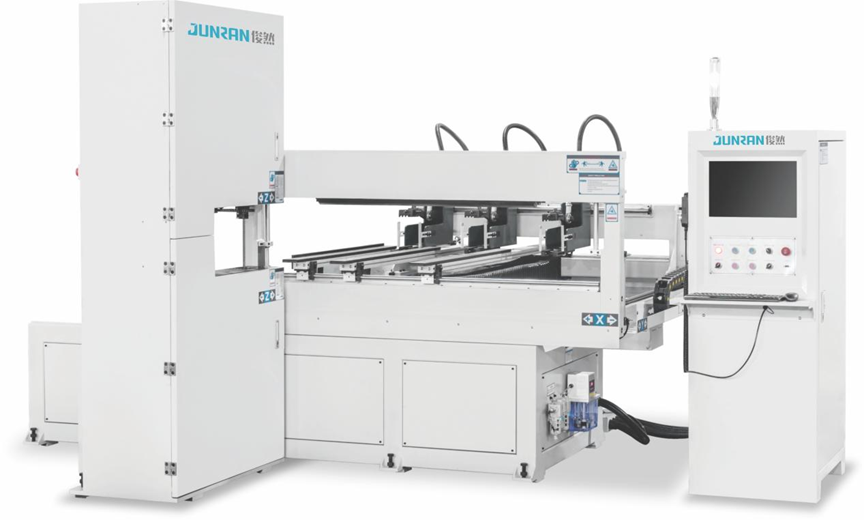
How It Works: From Digital Drawing to Physical Cut
The operation of a CNC curve saw begins with a digital design created in CAD/CAM software. The operator generates a toolpath that follows the desired curve precisely. This digital instruction is then sent to the machine’s controller, which guides the saw blade along the programmed route. The machine typically uses a narrow band saw blade or a reciprocating blade, allowing it to make tight turns with minimal kerf loss. Sensors and feedback systems constantly monitor blade position, ensuring that the actual cut deviates less than a fraction of a millimeter from the digital blueprint.
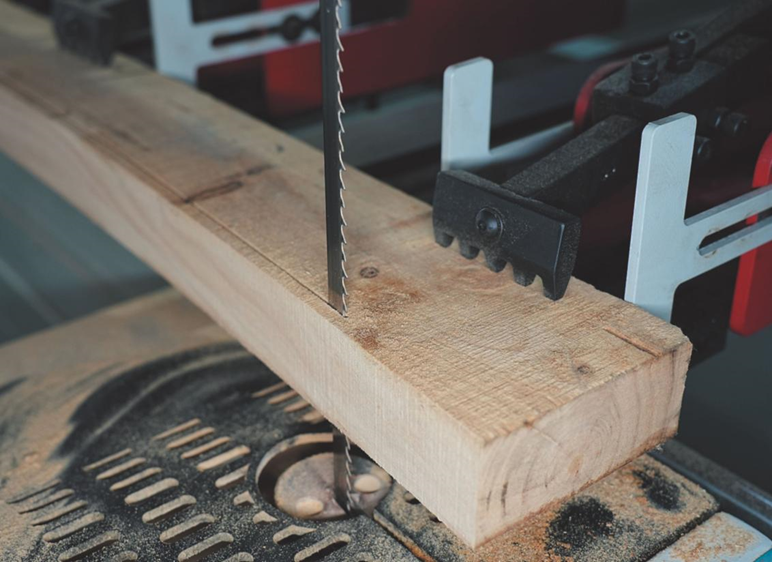
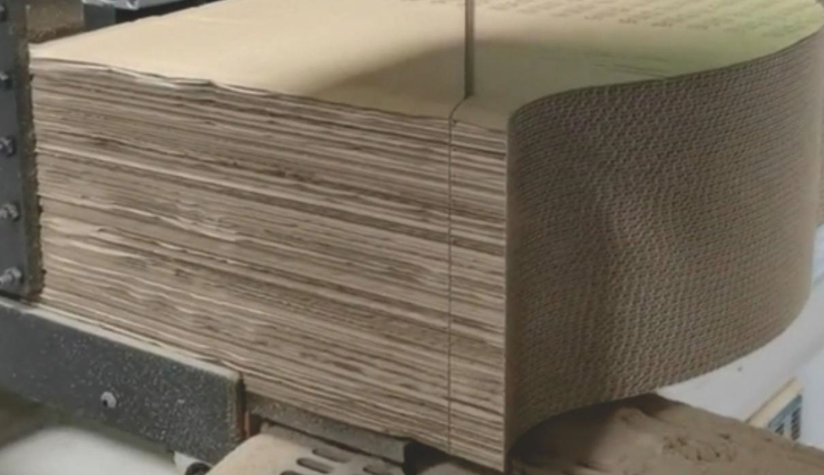
Key Advantages Over Manual Methods
Traditional curve cutting relies heavily on band saws operated by skilled craftsmen, followed by hours of sanding and template routing to achieve a smooth finish. The CNC curve saw eliminates these labor-intensive steps. First, it delivers exceptional accuracy. Every piece cut from a single program is identical, which is crucial for batch production where parts must fit together perfectly. Second, it dramatically reduces production time. The machine cuts at optimized speeds without fatigue, and the finished edge often requires little to no secondary smoothing. Third, it enhances safety. Operators simply load the material and initiate the cycle, keeping their hands away from the moving blade.
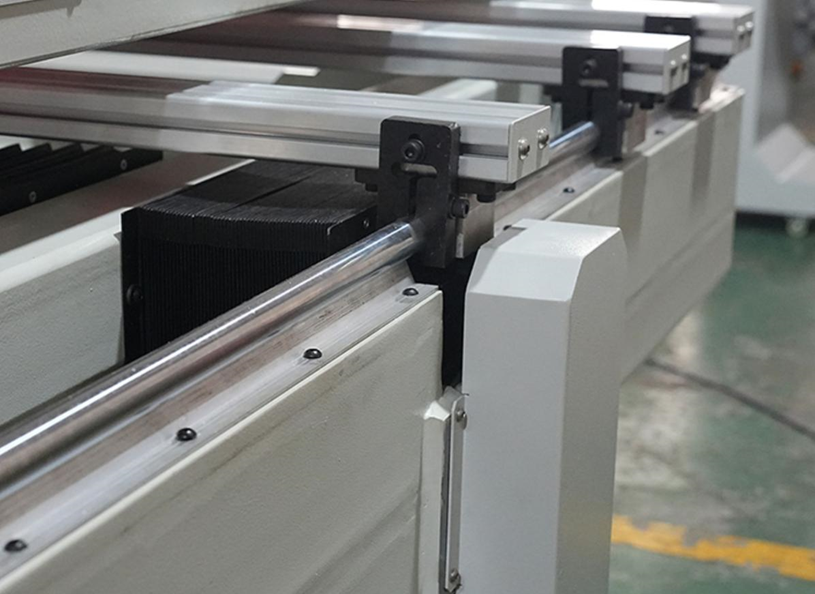
Applications Across the Wood Industry
The versatility of the CNC curve saw makes it valuable in many sectors. In cabinetry, it produces arched door frames and curved panels. In musical instrument making, it shapes guitar bodies and violin plates with the subtle contours that define tonal quality. Furniture designers use it to craft sculpted chair legs, sweeping armrests, and decorative inlay patterns. Even in architectural millwork, it produces curved moldings and stair stringers that add elegance to interior spaces.
