
Intelligent Integration Redefines Production Efficiency
As the global economy settles into a pattern of moderate growth in 2026, the woodworking machinery industry is undergoing a significant transformation. Moving beyond the production bottlenecks of the post-pandemic era, manufacturers are now laser-focused on two core pillars: intelligent automation and sustainable manufacturing.
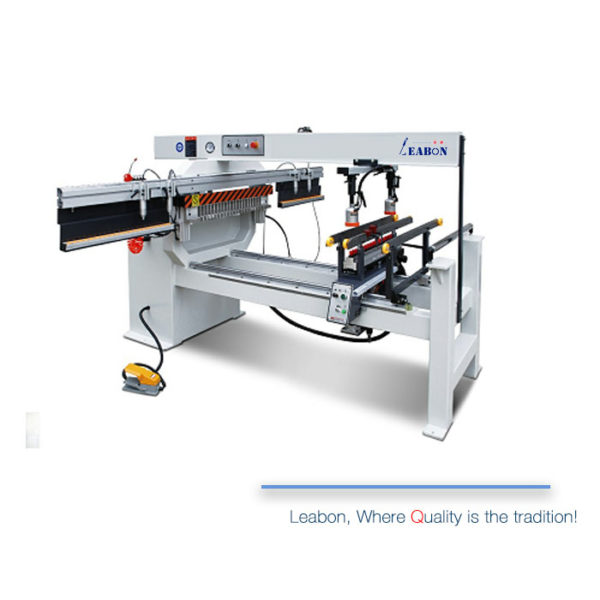
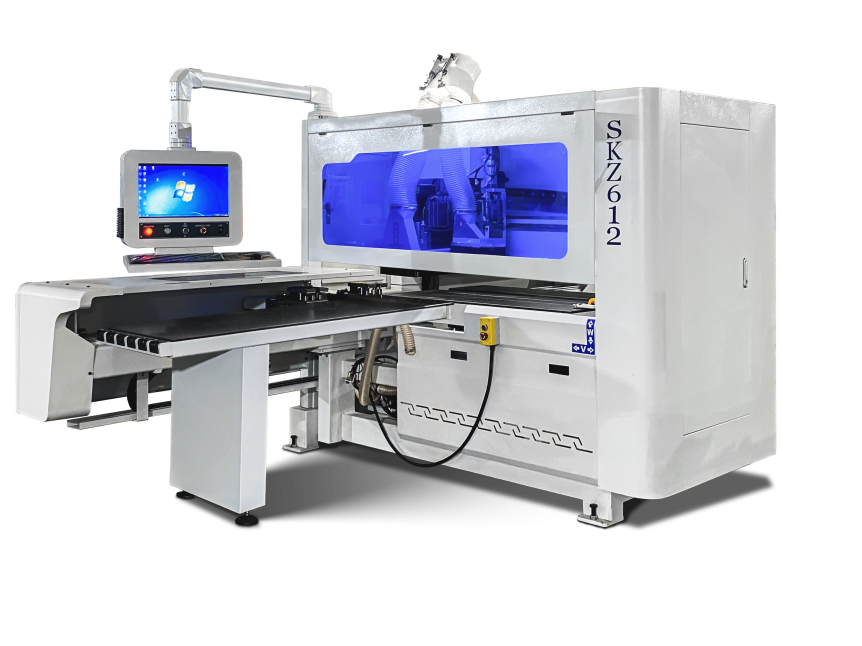
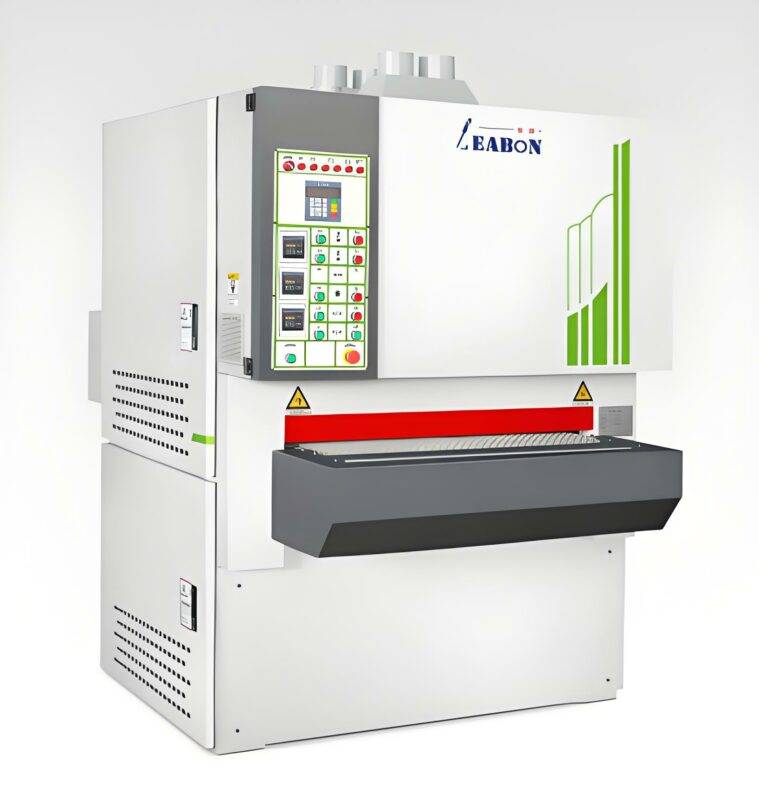
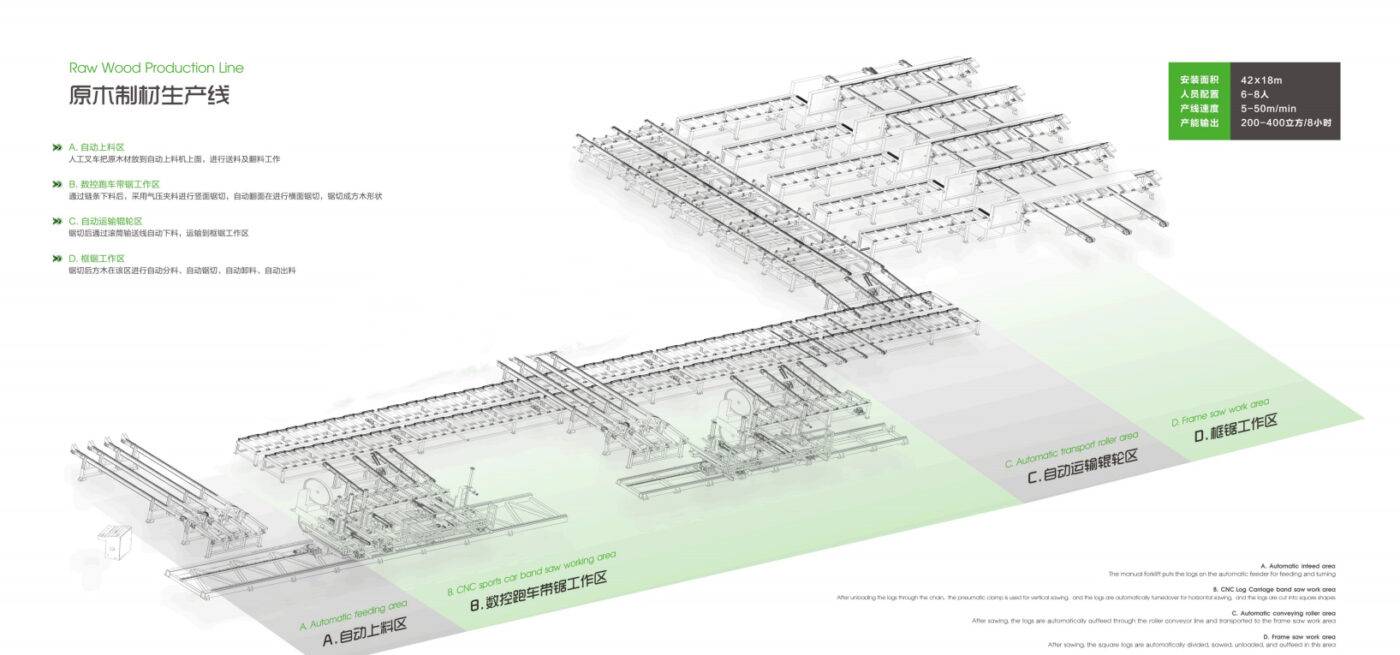
The most prominent trend at major industry trade fairs this year has been the proliferation of end-to-end digital production lines. “It is no longer enough to have a single computer numerical control (CNC) machine,” notes Hans Gruber, an industry analyst based in Stuttgart. “Factories are demanding fully integrated ecosystems where saws, edgebanders, sanders, and drilling machines communicate seamlessly.” This is driven by a shortage of skilled labor in developed markets and a growing need for mass customization in the furniture sector. Artificial intelligence (AI) is playing a pivotal role, with modern systems now capable of self-diagnosing maintenance needs and optimizing cutting patterns in real-time to reduce material waste by up to 15 percent.
Sustainability Moves from Buzzword to Bottom Line
Simultaneously, sustainability has shifted from a marketing buzzword to a regulatory and economic necessity. The industry is seeing a surge in demand for machinery compatible with bio-based adhesives and water-based finishes. Furthermore, energy efficiency is a critical selling point. Newer models of industrial wood grinders and dryers are being engineered to consume significantly less power, often incorporating closed-loop systems that recycle process heat. This aligns with stricter carbon emission standards in the European Union and North America, compelling manufacturers to retrofit old plants or invest in new, greener fleets of equipment.
Regional Markets Shift Toward High-Value Applications
Regionally, the Asian market, led by China and Vietnam, remains the largest consumer of woodworking machinery, but the focus has shifted from volume to value. There is a distinct move away from entry-level machines toward high-end, precision equipment for engineered wood production. Meanwhile, the North American market is experiencing a renaissance in mass timber construction for commercial buildings, driving demand for large-scale planers and multi-axis joinery systems capable of handling cross-laminated timber.
Outlook: Steady Growth for Integrated Solutions
Industry experts predict that by the end of 2026, global revenue for woodworking machinery will see a modest but stable increase of 4 percent. The winners in this competitive landscape will be those who can offer holistic solutions—machines that are not only fast and durable but also intelligent, connected, and gentle on the planet. The age of the smart workshop has officially arrived.
